MOBILE APP
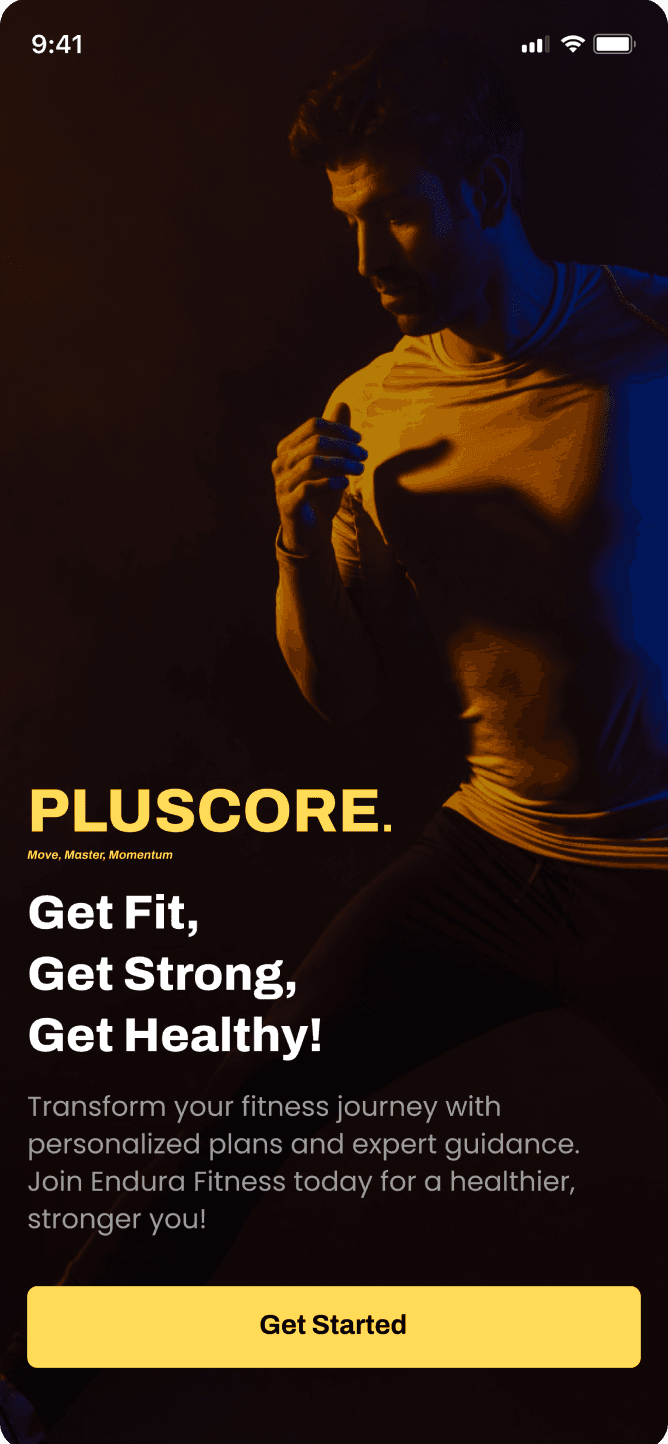
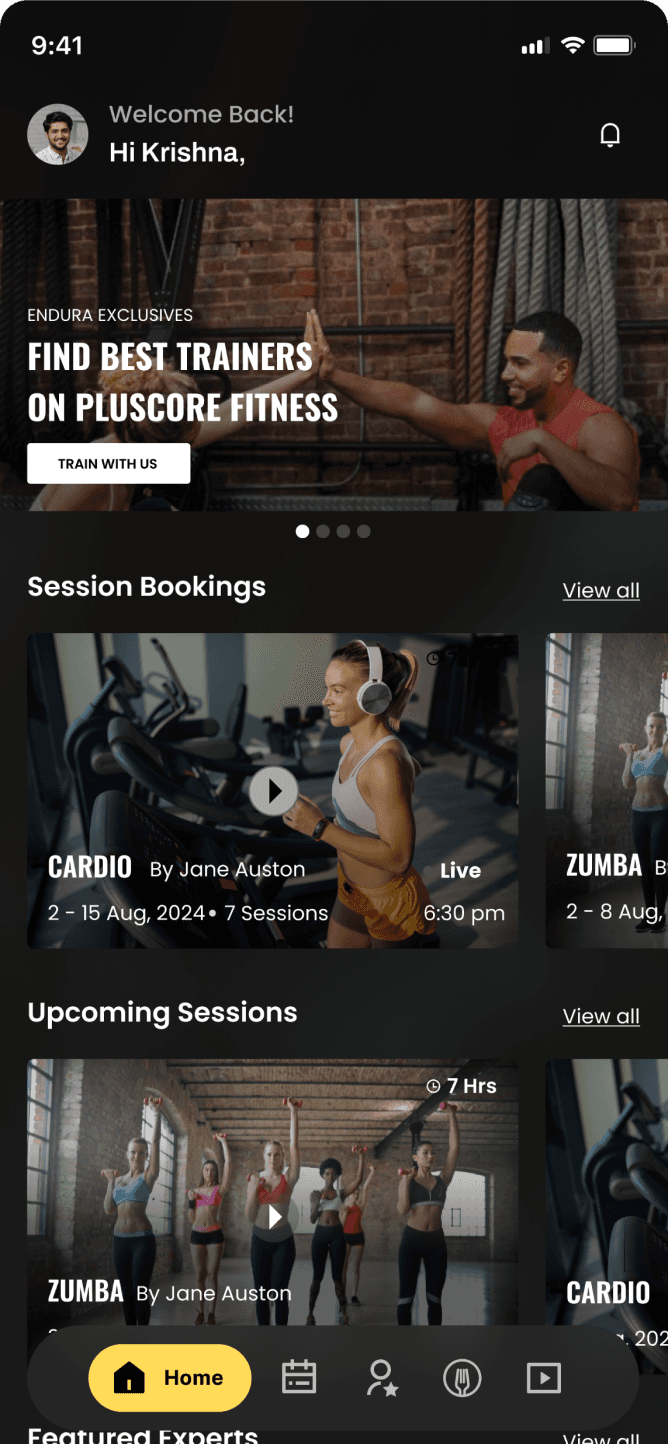
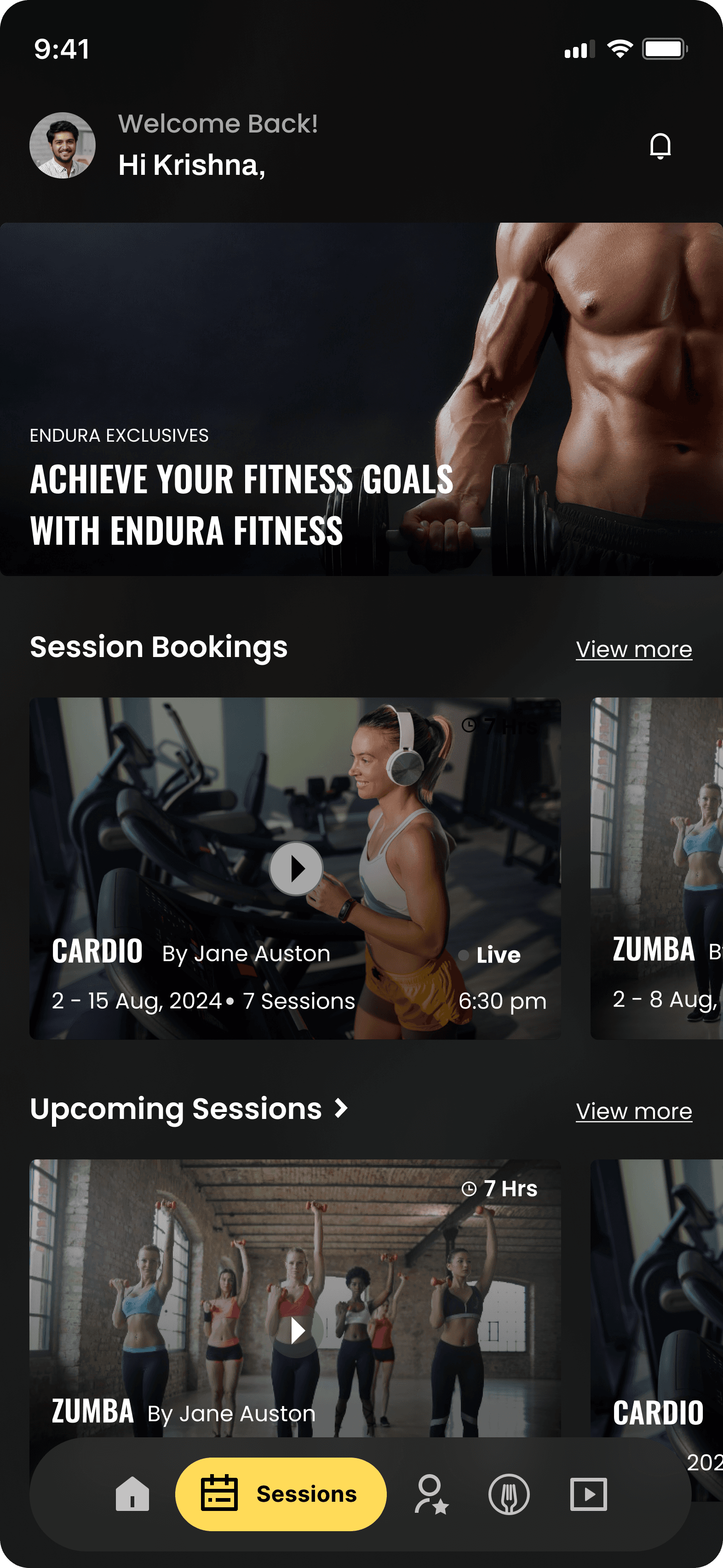
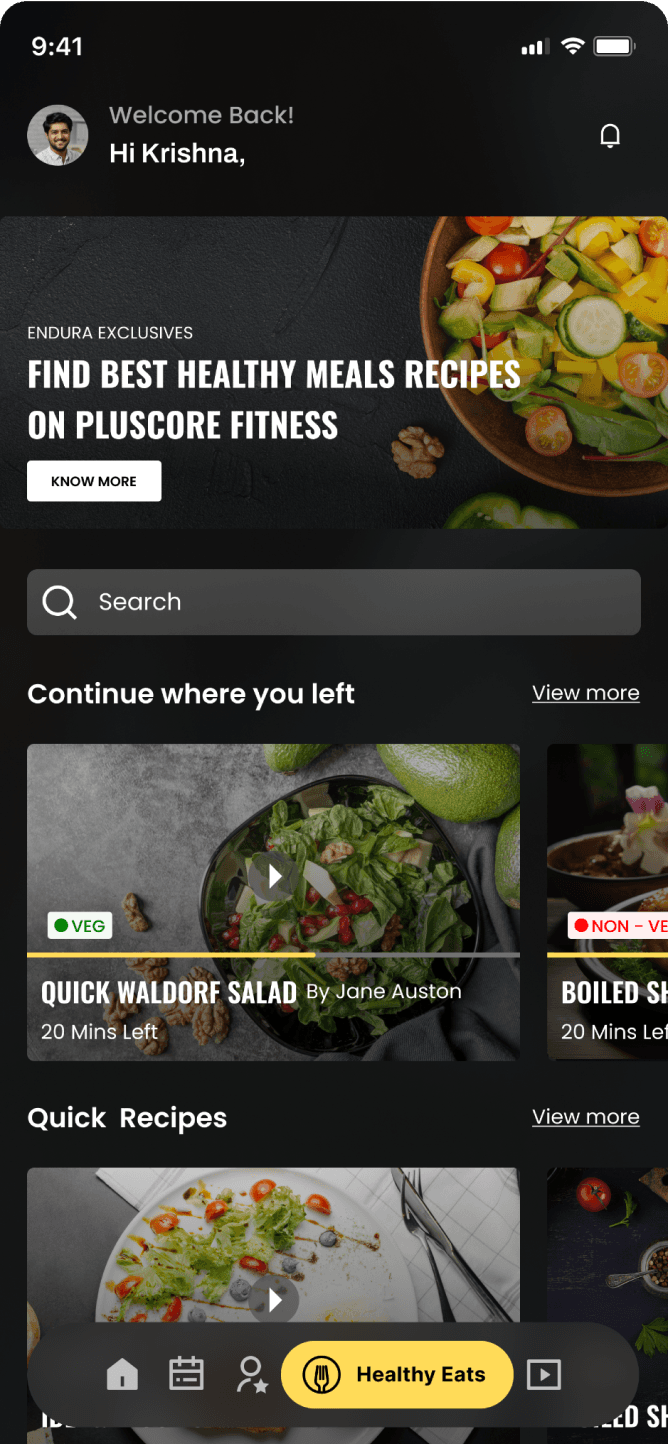
PlusCore Fitness is a mobile platform designed to connect users with professional trainers for personalized fitness sessions. The app provides on-demand workouts, expert nutrition guidance, and a seamless booking experience. With 1,200+ users and 248 trainers & also this app available on both the Google Play Store and App Store.
Note: Due to NDA restrictions, project details such as the original name and certain UI elements have been modified. The case study showcases my approach to UX design while maintaining confidentiality.
PlusCore Fitness
UI / UX Designer
My role
UX Research
Wireframes
High Fidelity Designs
Deliverables
1.5 months
Timeline
Product Thinking
Competitive Analysis
Visual Design
User Research
Skills
Figma
FigJam
Google Docs
Jira
Tools
Impact That Drives Results
Measurable growth, increased engagement, and a better fitness experience for users and trainers.
Downloads in 30 Days
600+
Improvement in workout consistency
40%
Positive feedback
92%
Increase in user engagement
30%
When I received the project brief, the objective was clear design an intuitive fitness training app that would seamlessly connect trainers and users. The name, color theory was provided, and my role was to define and craft the user experience.
Rather than diving straight into visuals, I adopted a User-Centered Design (UCD) approach to ensure that the app genuinely catered to its audience.
The Beginning: A Vision for Fitness
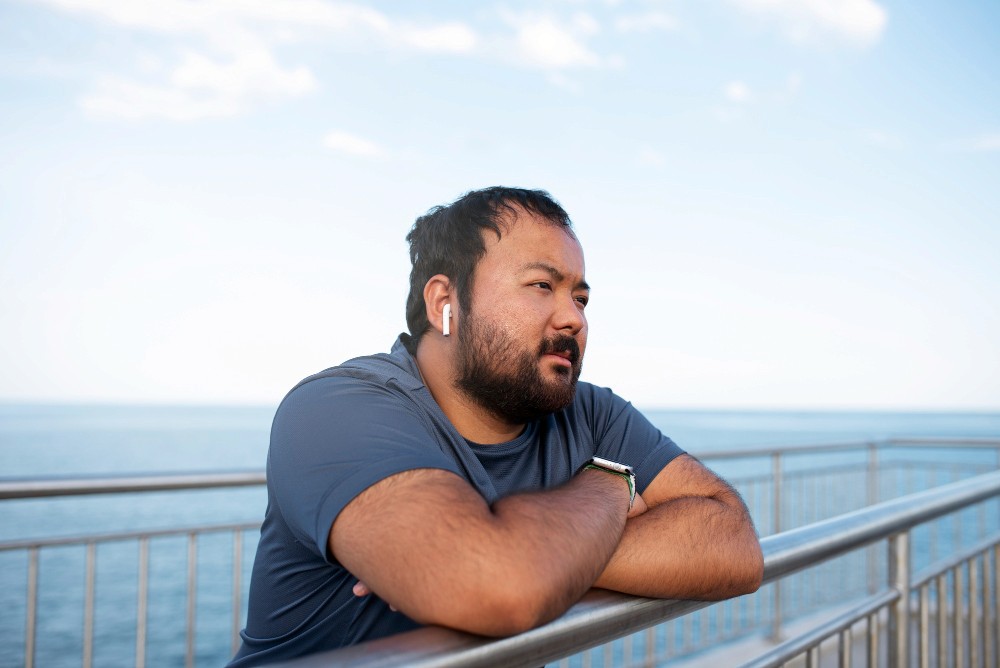
To validate these insights, I gathered feedback from fitness enthusiasts and trainers, identifying pain points like inconsistent engagement, difficulty in finding the right trainer, and lack of motivation to continue workouts.
Before designing, I conducted research to understand user needs
Trainers wanted a smooth way to schedule, manage, and conduct training sessions.
Users sought structured workouts, easy navigation, and engaging features like recorded sessions.
Understanding the Users: Research & Insights


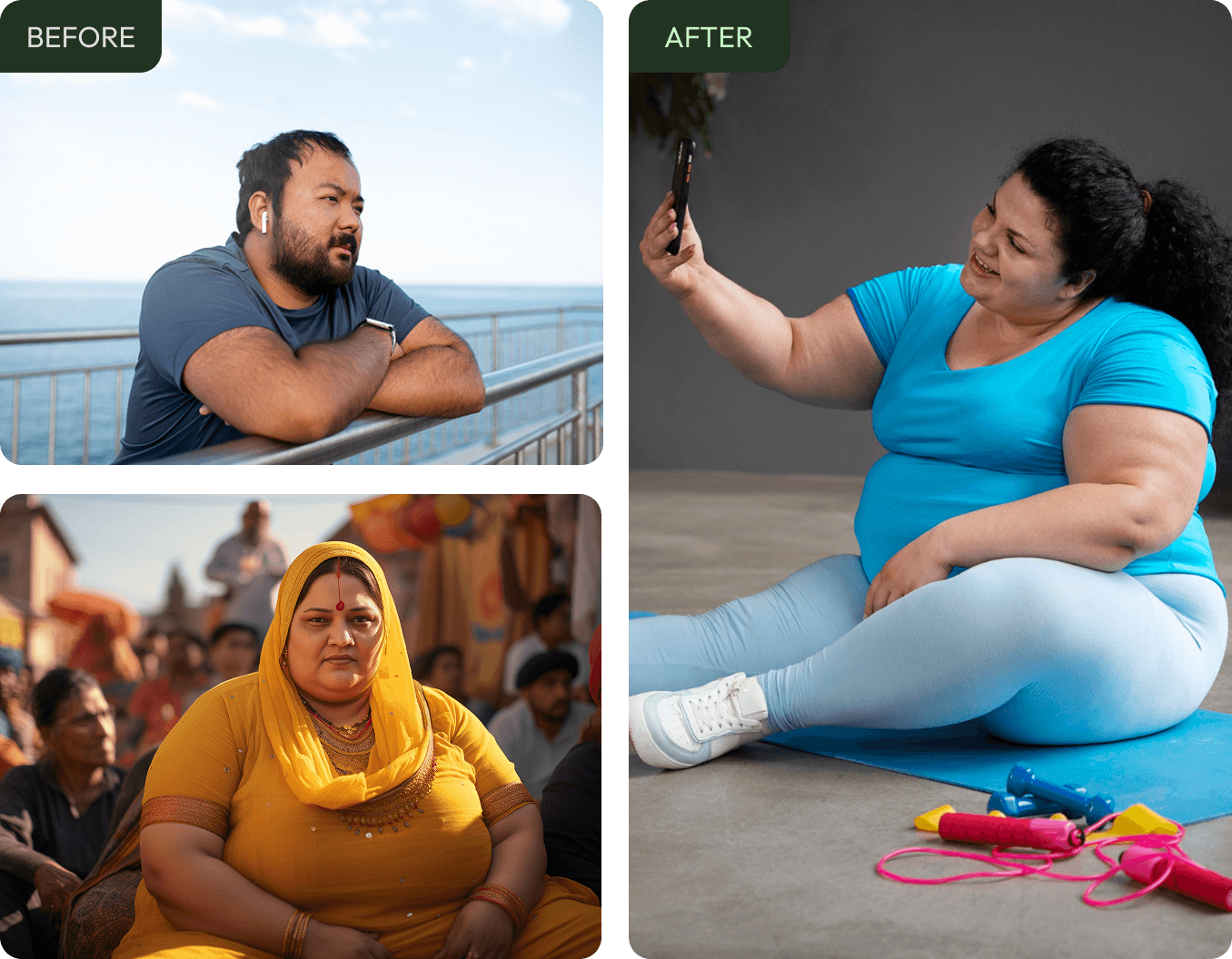
BEFORE
AFTER
Users often struggle with fitness apps due to:
Lack of personalized workout plans
Difficulty finding qualified trainers
Poor user engagement and retention
Overcomplicated booking processes
User Interviews: Conducted discussions with 18 fitness enthusiasts and trainers from endura fitness.
Surveys: Collected responses from 100+ potential users
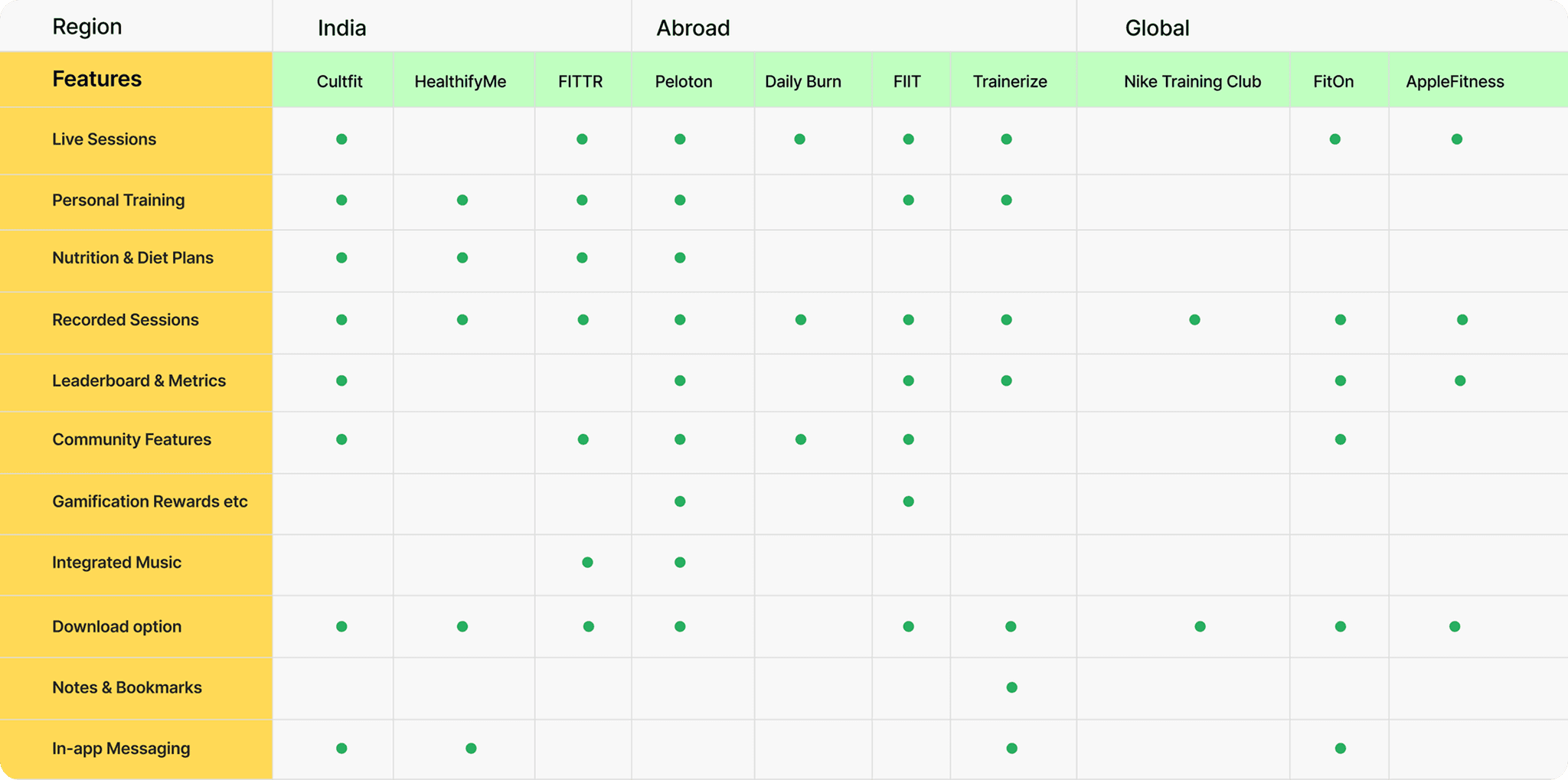
Competitor Analysis: Studied key fitness platforms to identify UX gaps
Understanding the Users
User Research & Insights
The Challenge
User Research
Key Findings
Research Findings
Users needed affordable fitness plans: Introduced budget-friendly subscription models, ensuring accessibility for a wider audience.
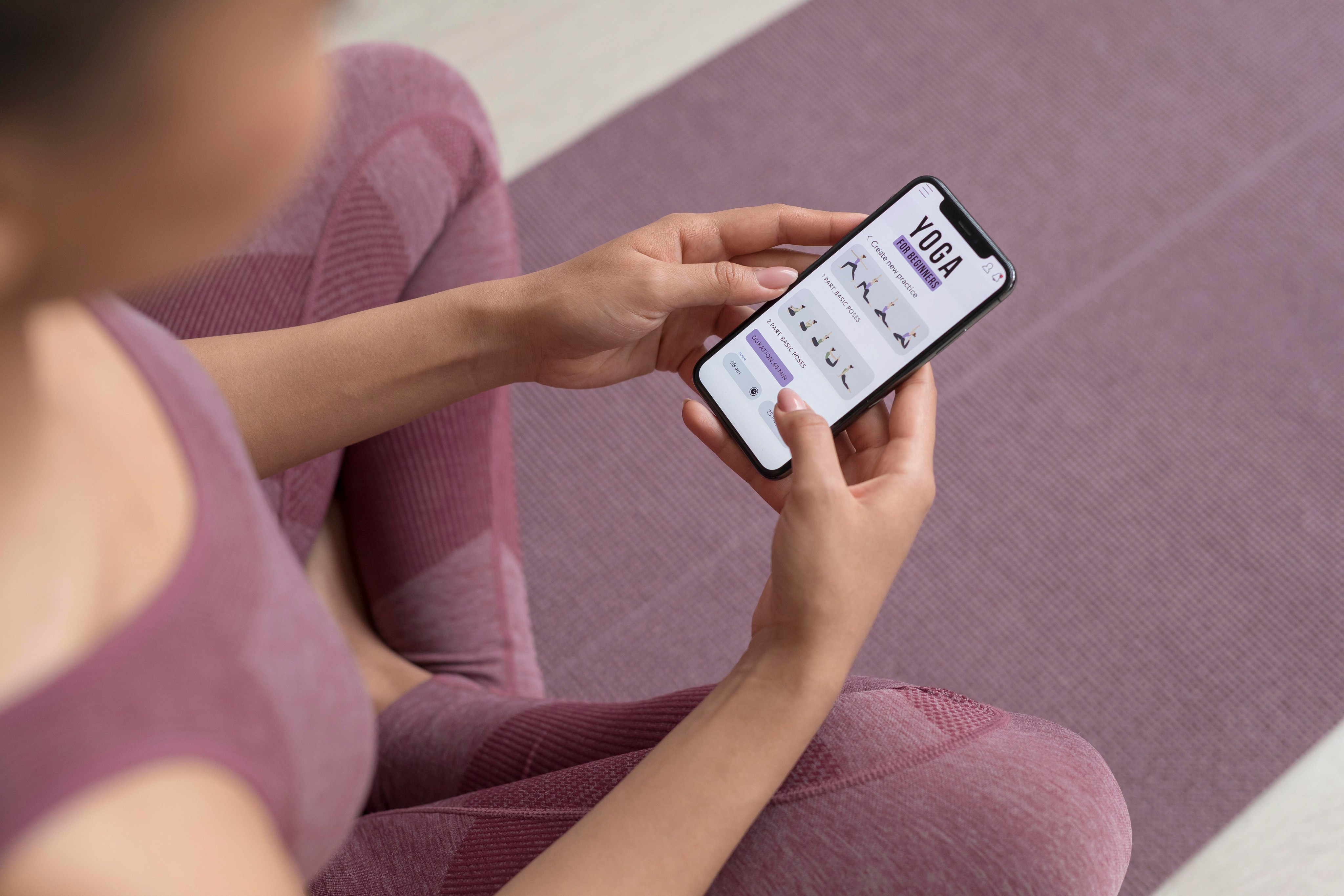
Finding relevant workouts and recipes was difficult: Introduced a personalized recommendation system for workouts and healthy recipes.
Users wanted a seamless trainer interaction: Designed an easy-to-use trainer booking and session management system with clear breakdowns.
Accessibility and inclusivity: Ensured a clean, user-friendly UI with considerations for different fitness levels and abilities.
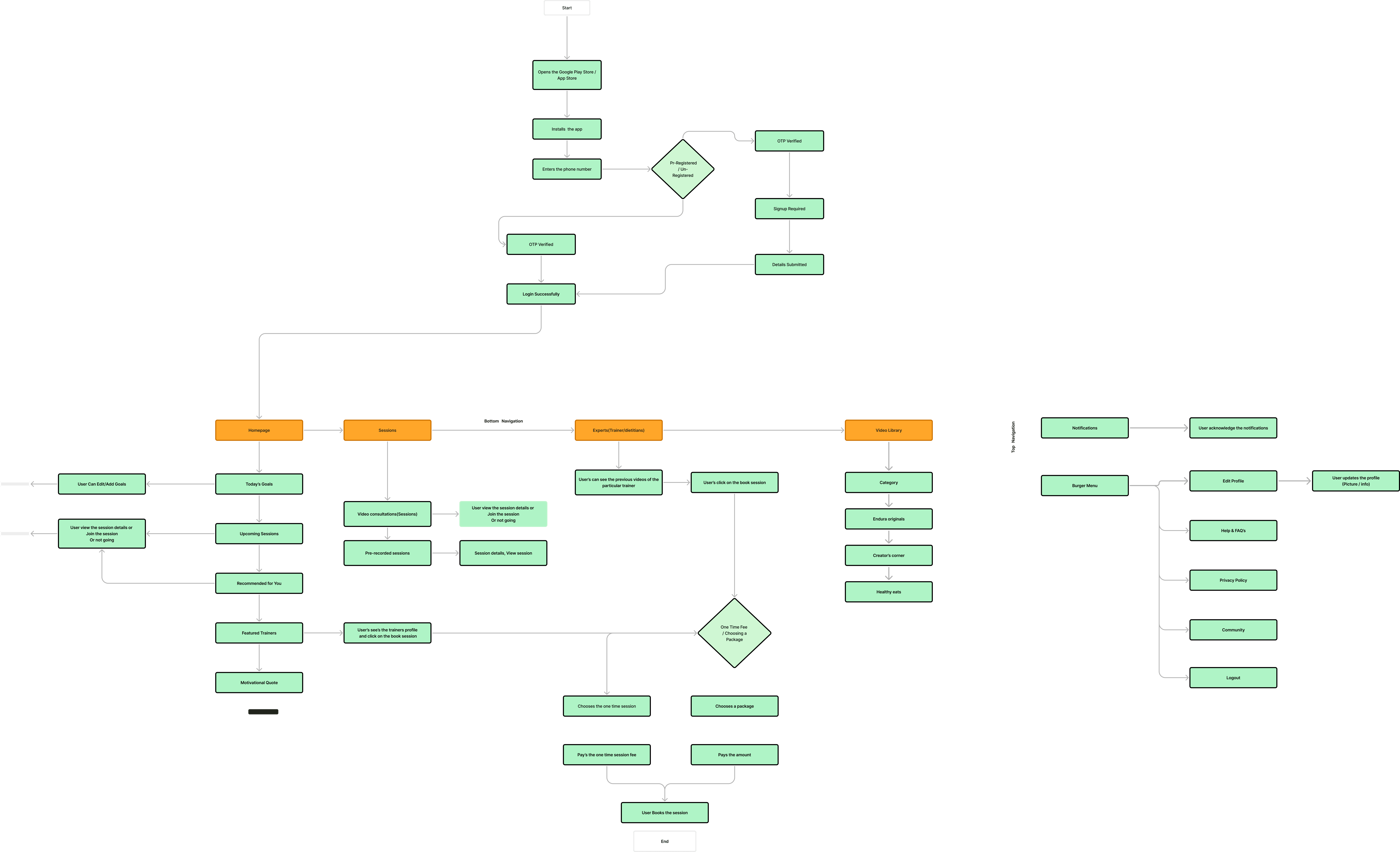
From Onboarding to Action: The User Flow Breakdown
I followed the User-Centered Design (UCD) framework to ensure that every decision was driven by user needs.
The Design Process: A User-Centered Approach
Research Processes
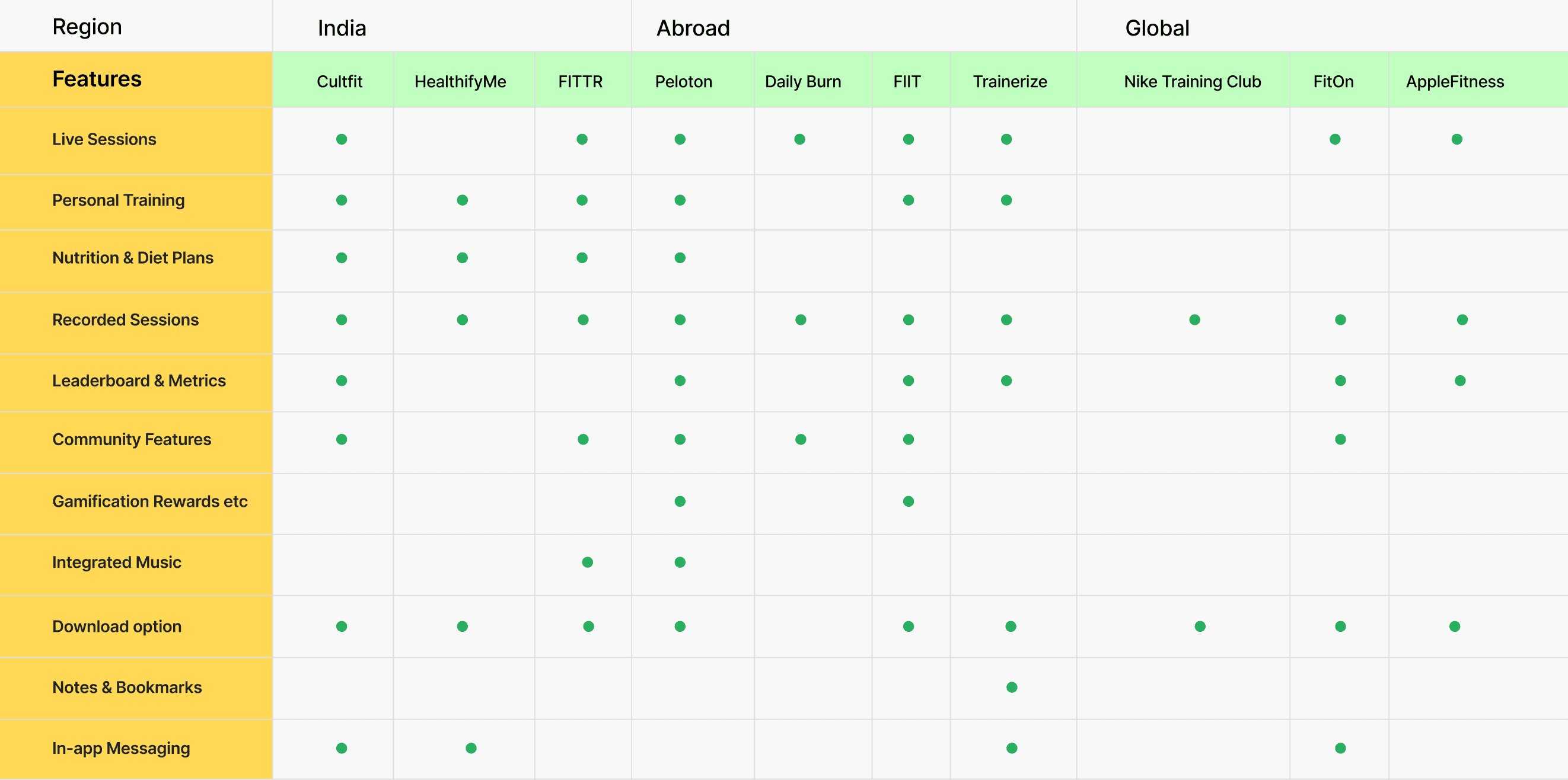
COMPETITIVE ANALYSIS
Competitive Analysis Insights
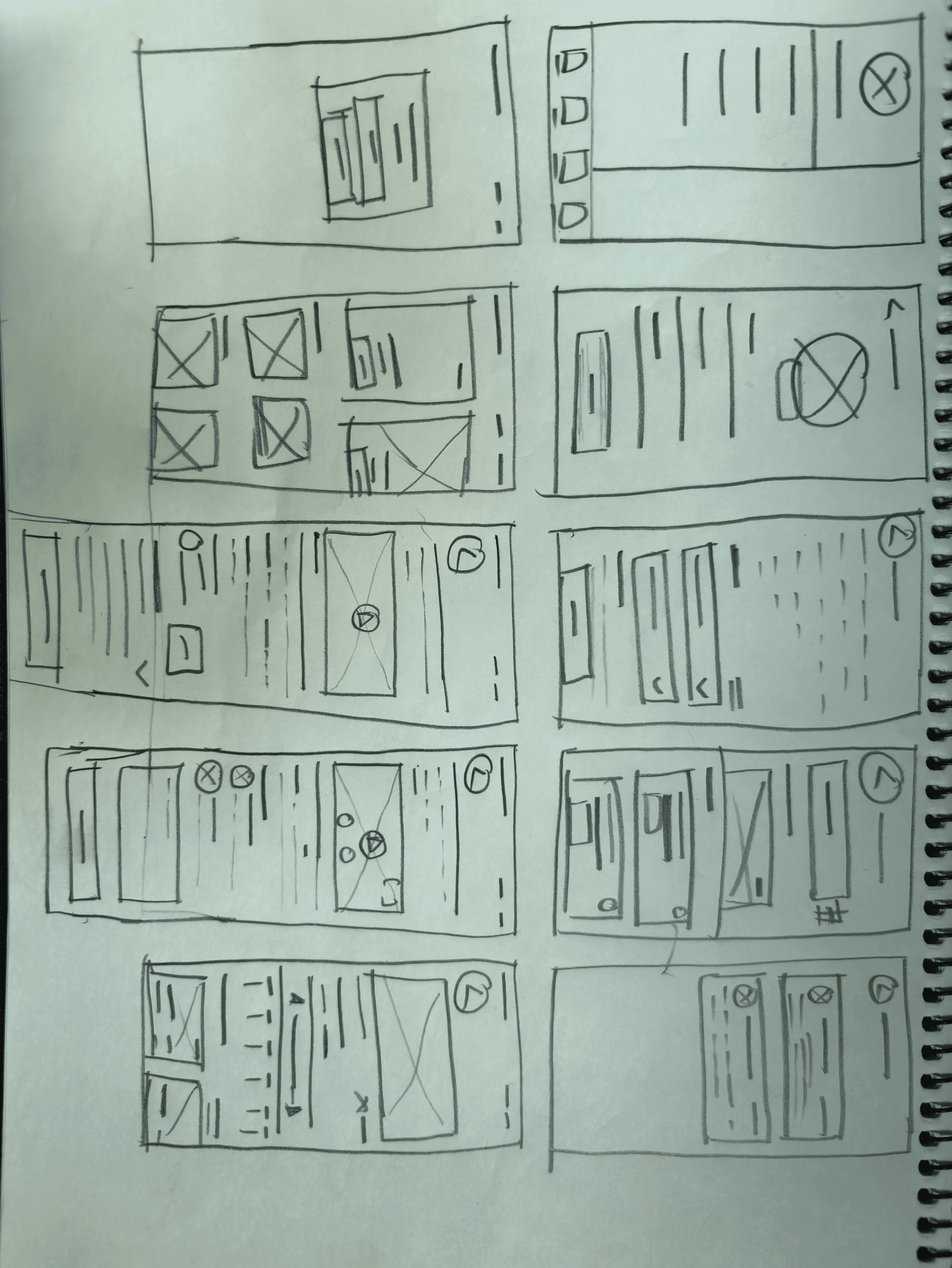
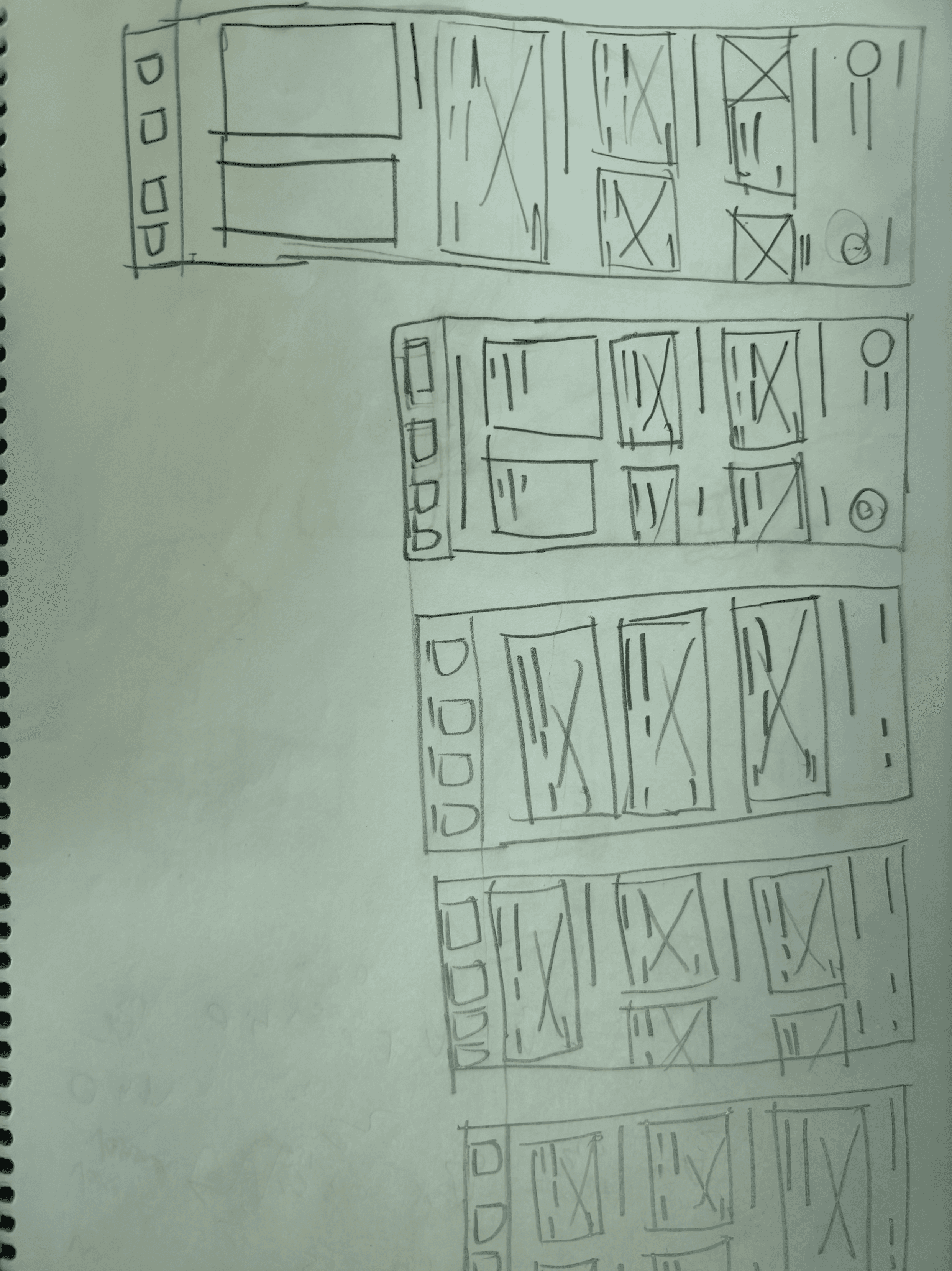
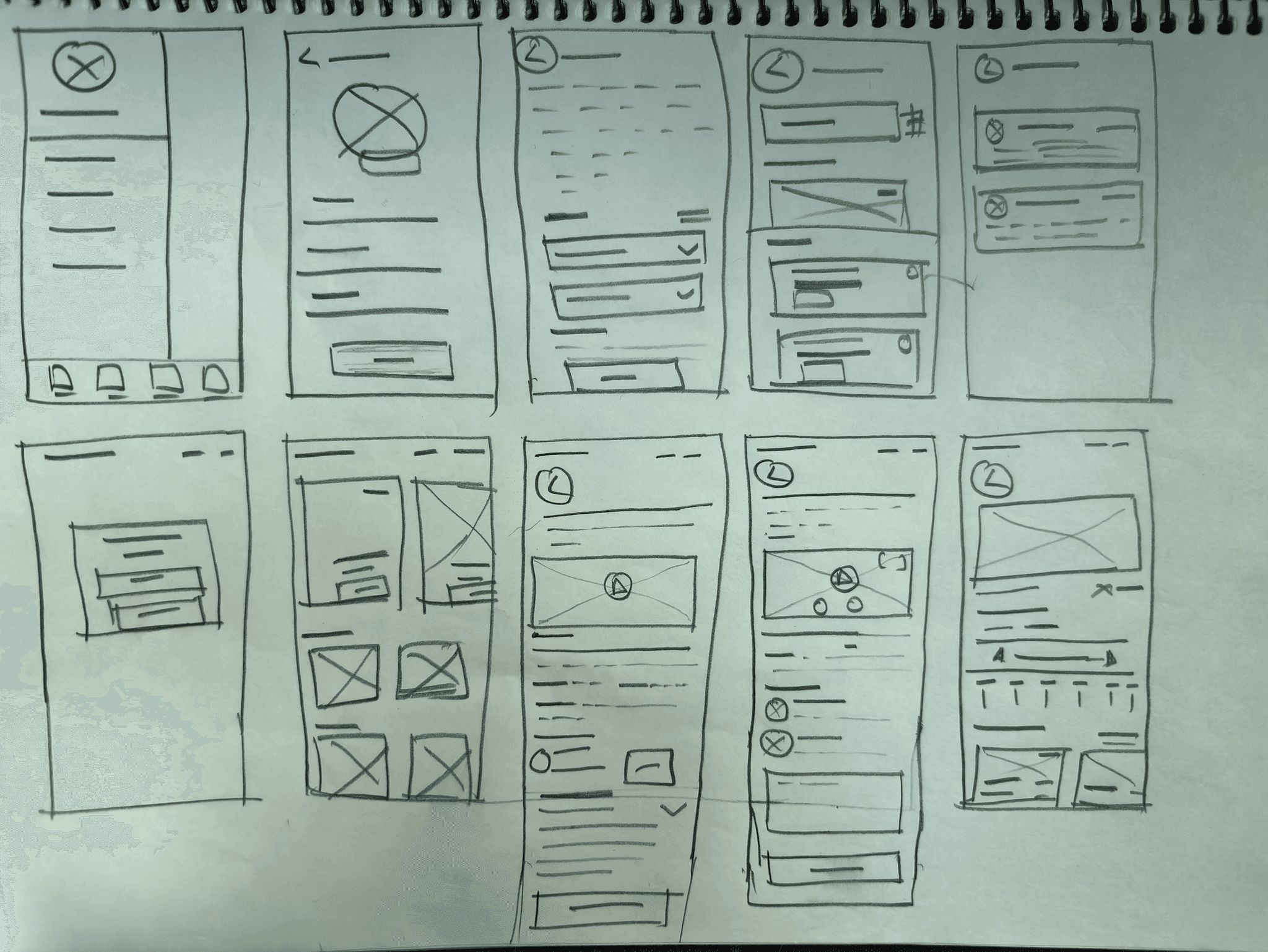
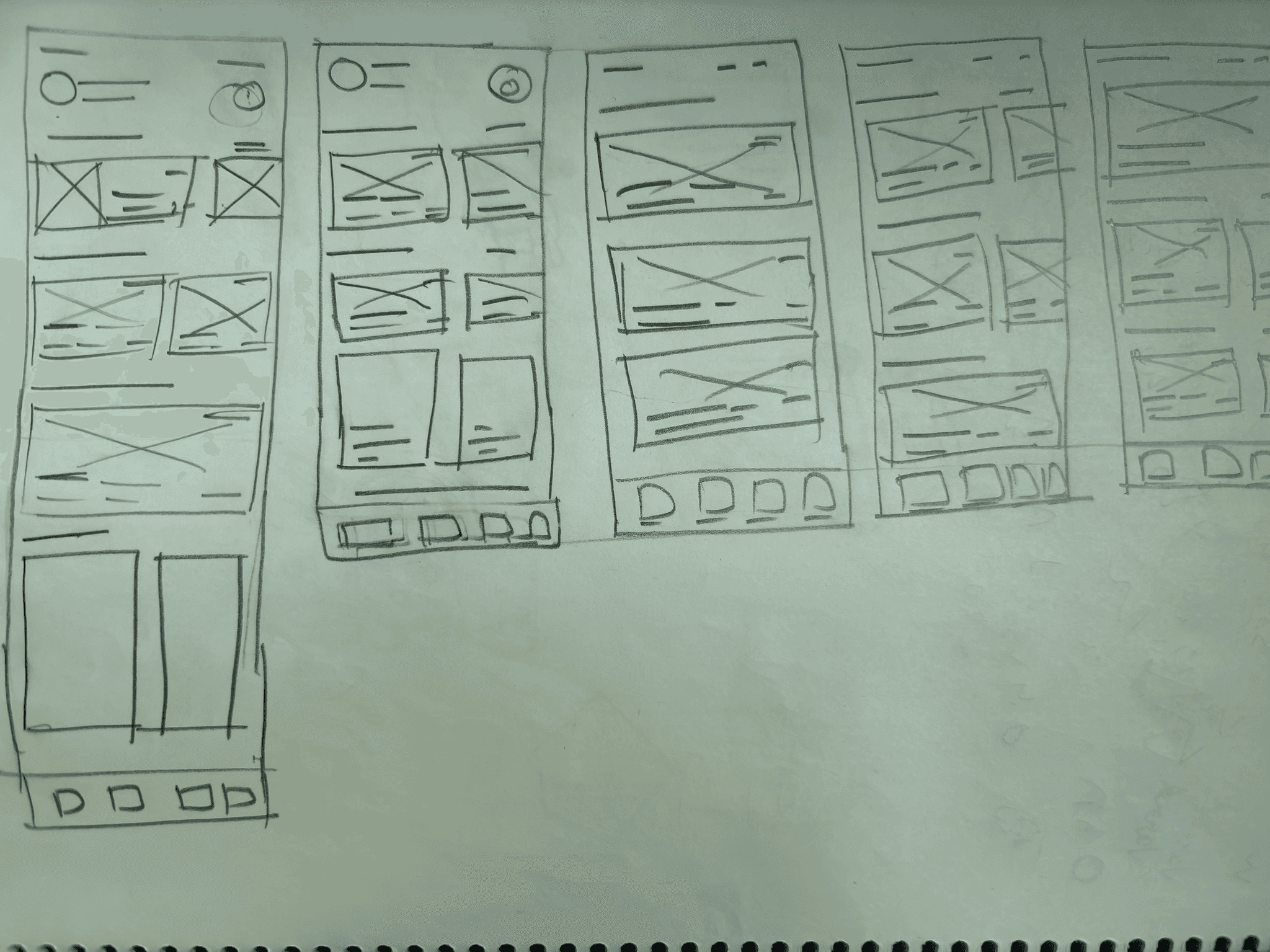
Wireframing
I explored various design approaches to create a visually engaging and user-friendly interface, ensuring seamless navigation, clarity, and motivation for a better fitness experience.
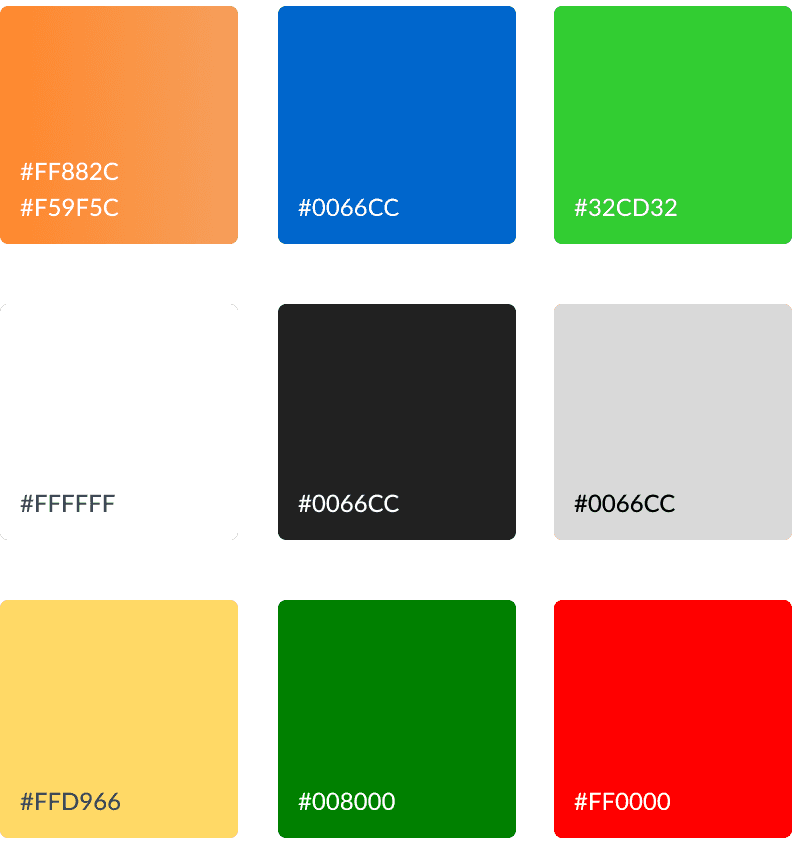
The Pluscore Fitness color system is designed to create an energetic, motivating, and accessible experience that aligns with the platform’s goal of making fitness engaging for users. Each color has been chosen with functionality, user experience, and accessibility in mind.
Color System
Visual Branding & Identify

#FFFFFF
#FFD966
#008000
#FF0000
#FF882C
#F59F5C
#0066CC
#0066CC
#0066CC
#32CD32
Typography
Typography
Accessibility Check
Contrast Ratio
9.95:1
Extra small text Style
small text Style
Normal text Style
Large text Style
Large Title 1
Normal Title 2
X-Large Title 1
X-Large Title 2
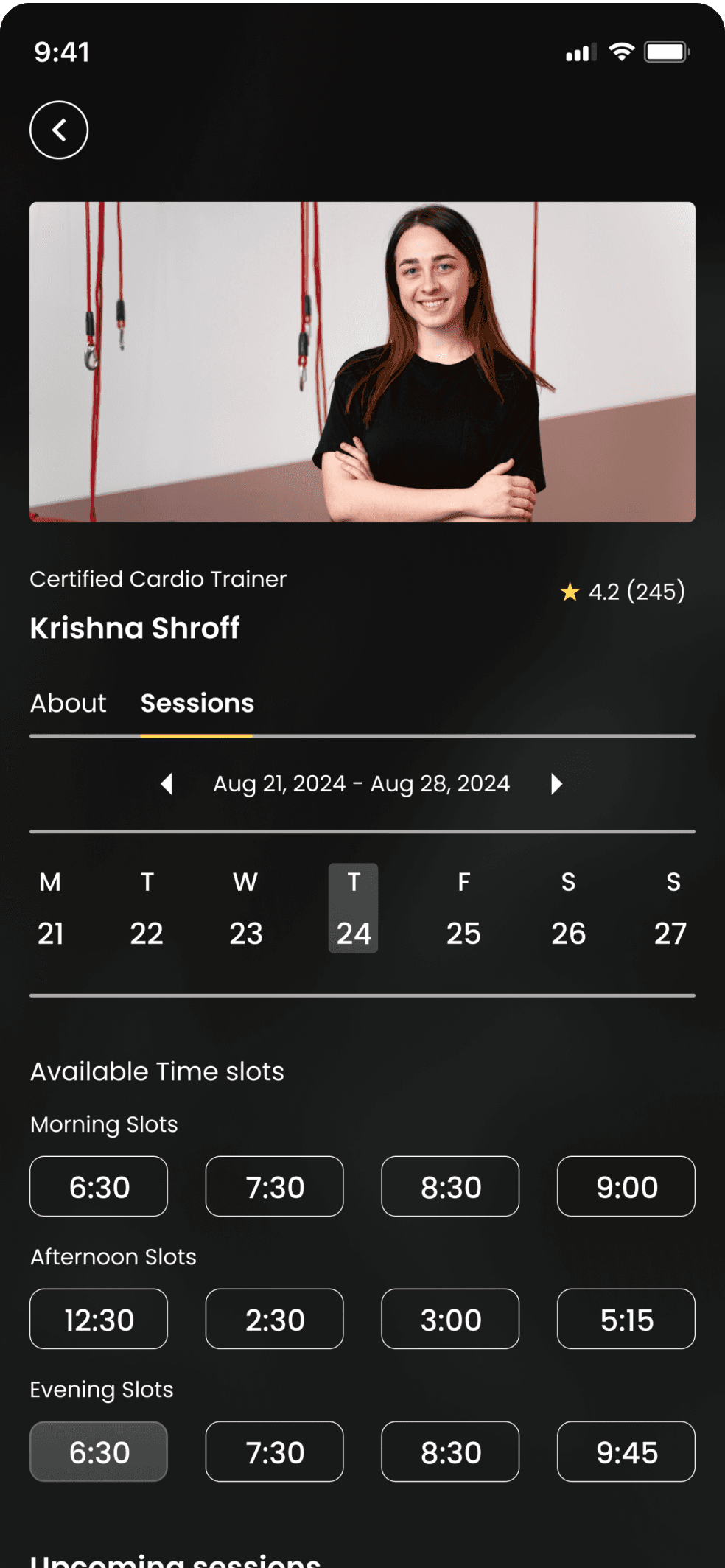
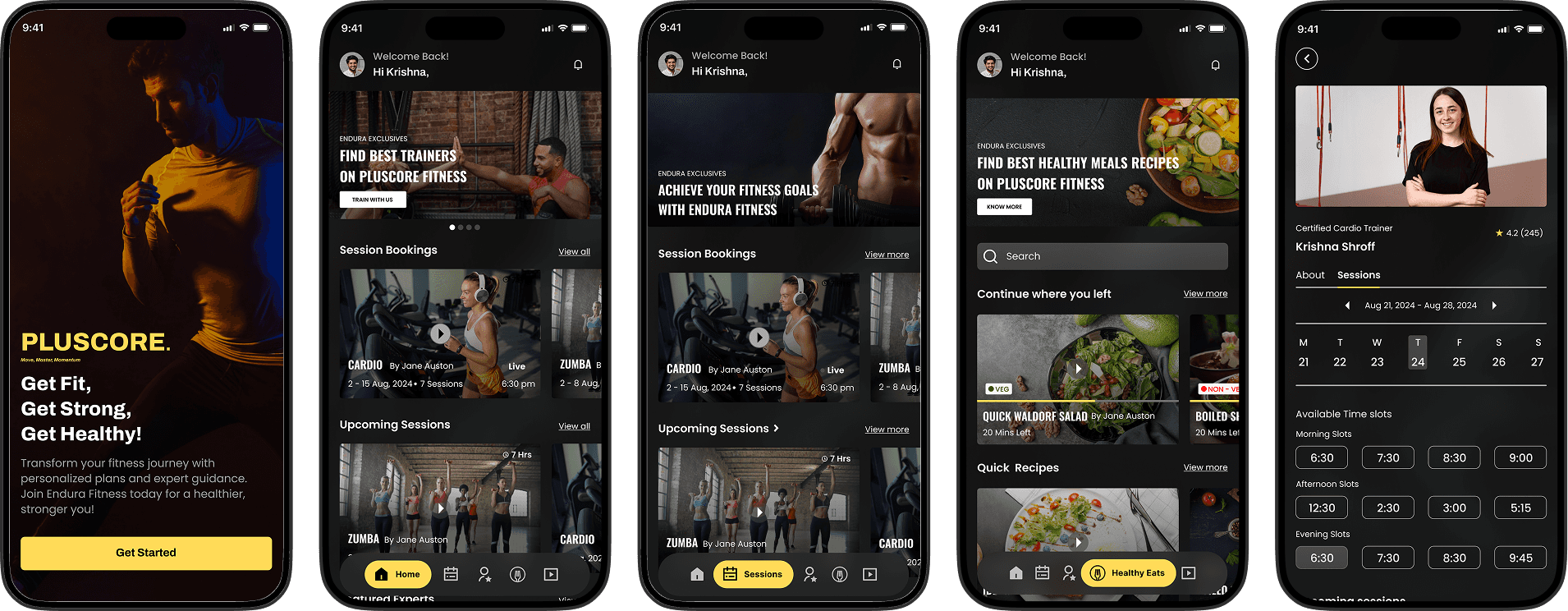
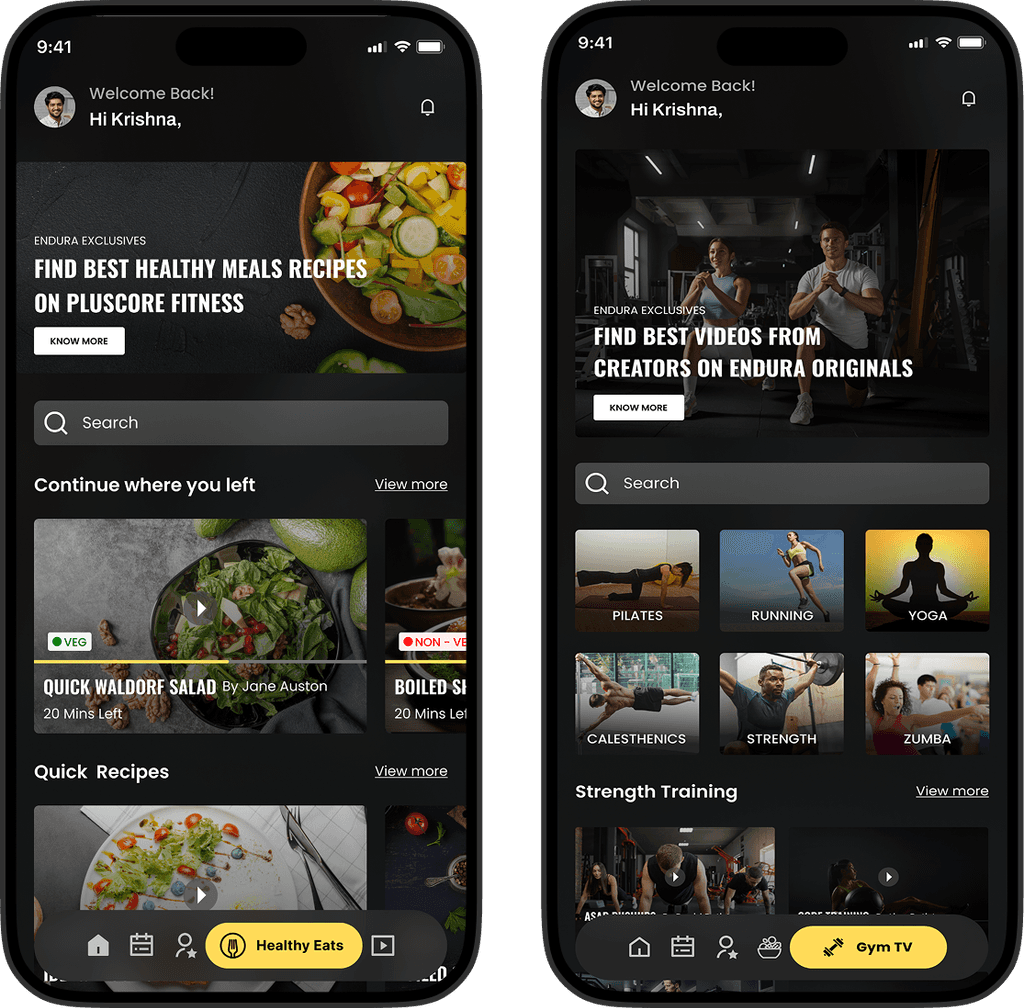
The Solution (High Fidelity Designs)
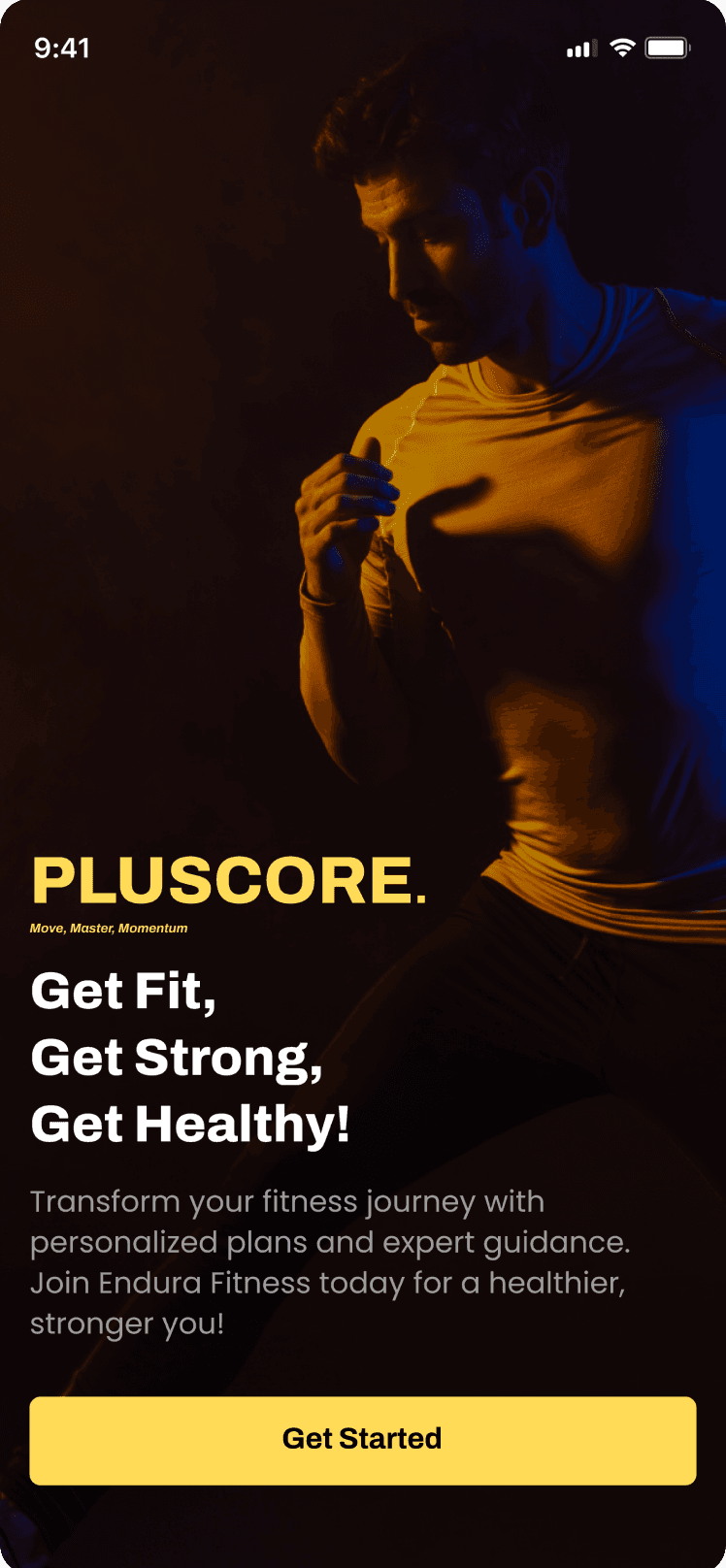
After wireframing + couple of iterations later i created high fidelity version of the wireframes
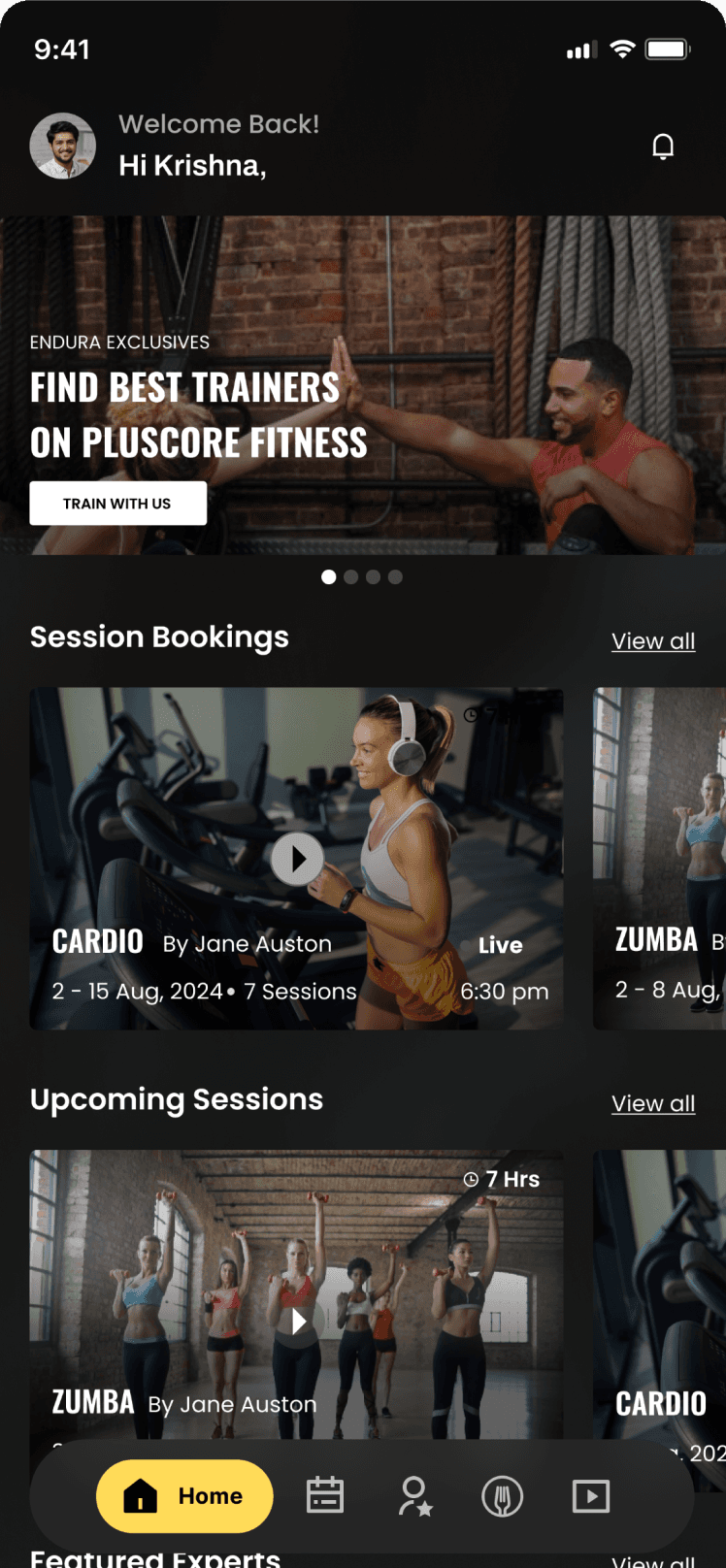
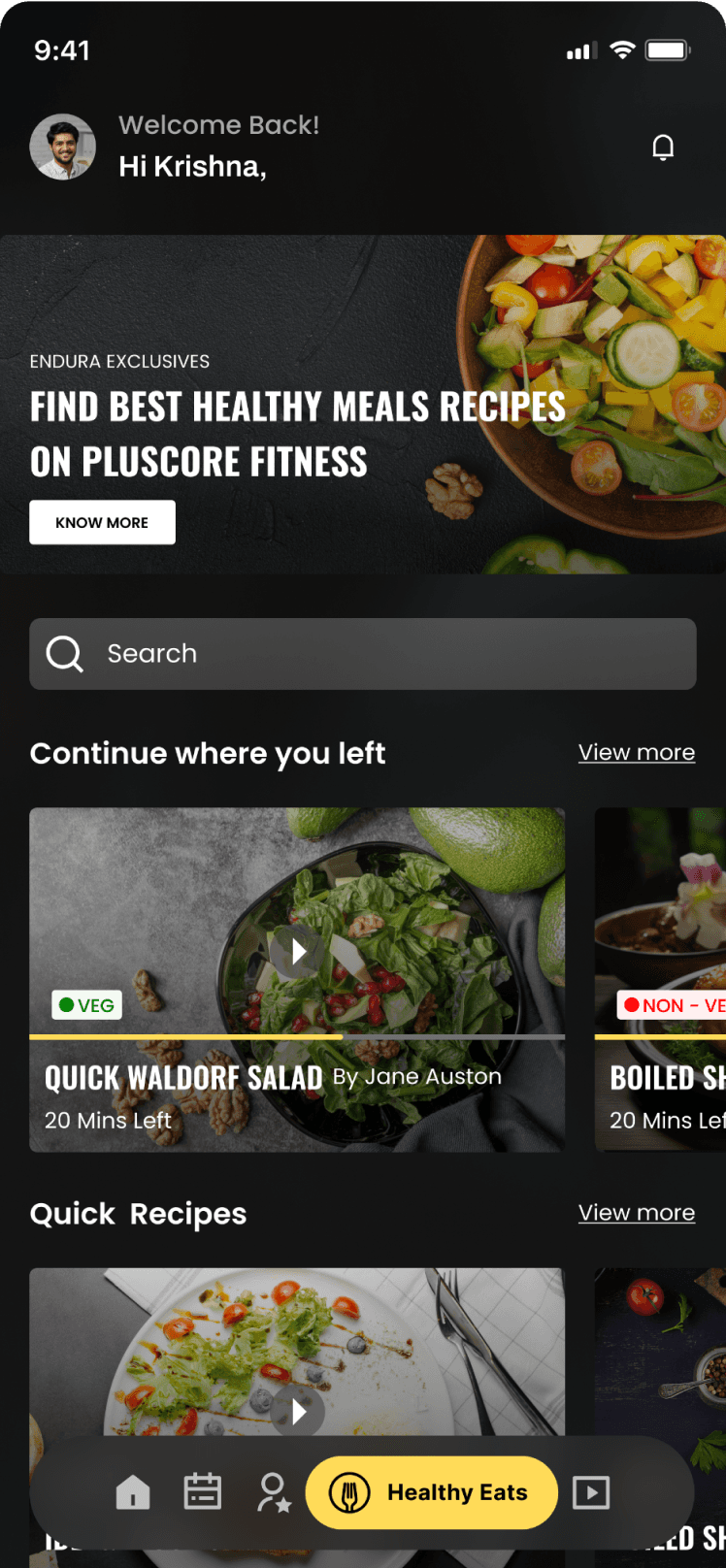
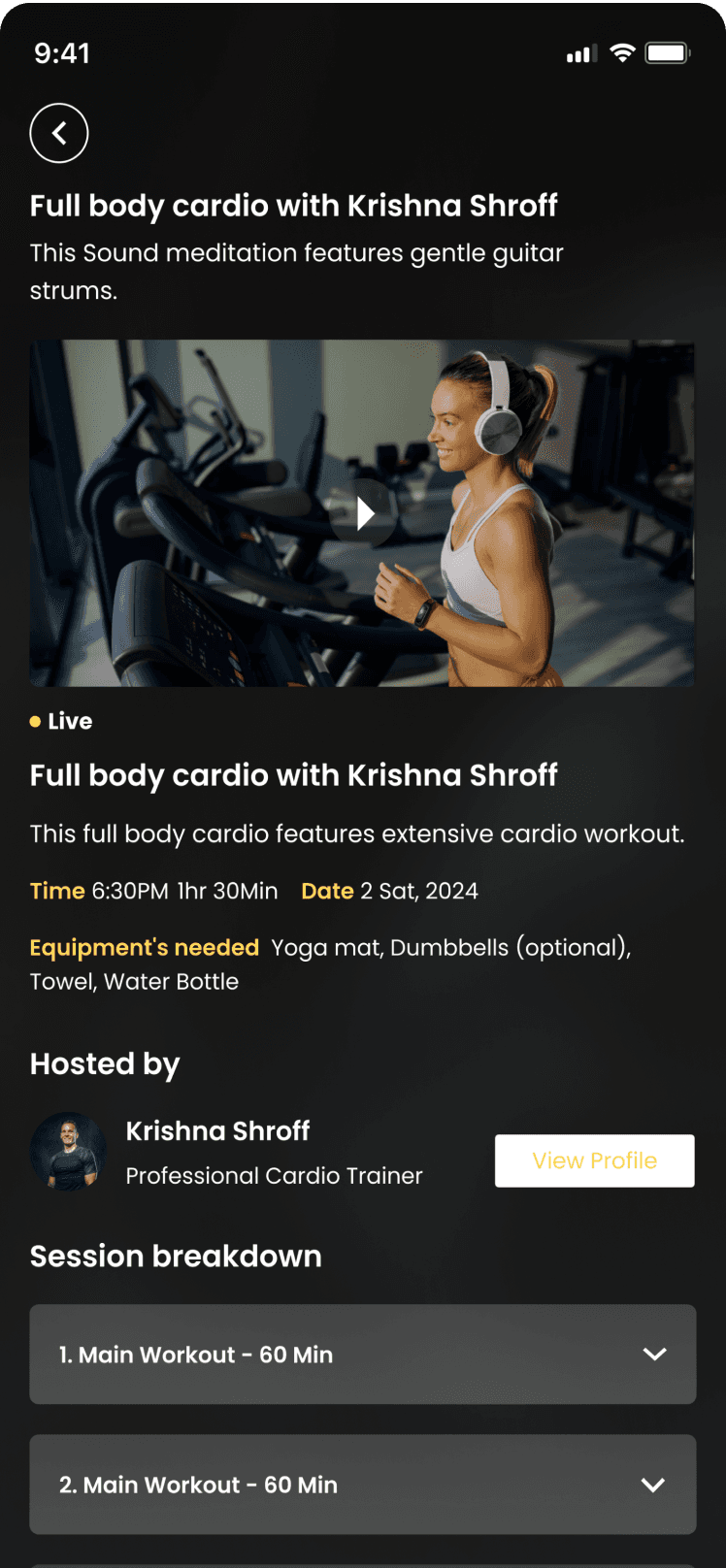
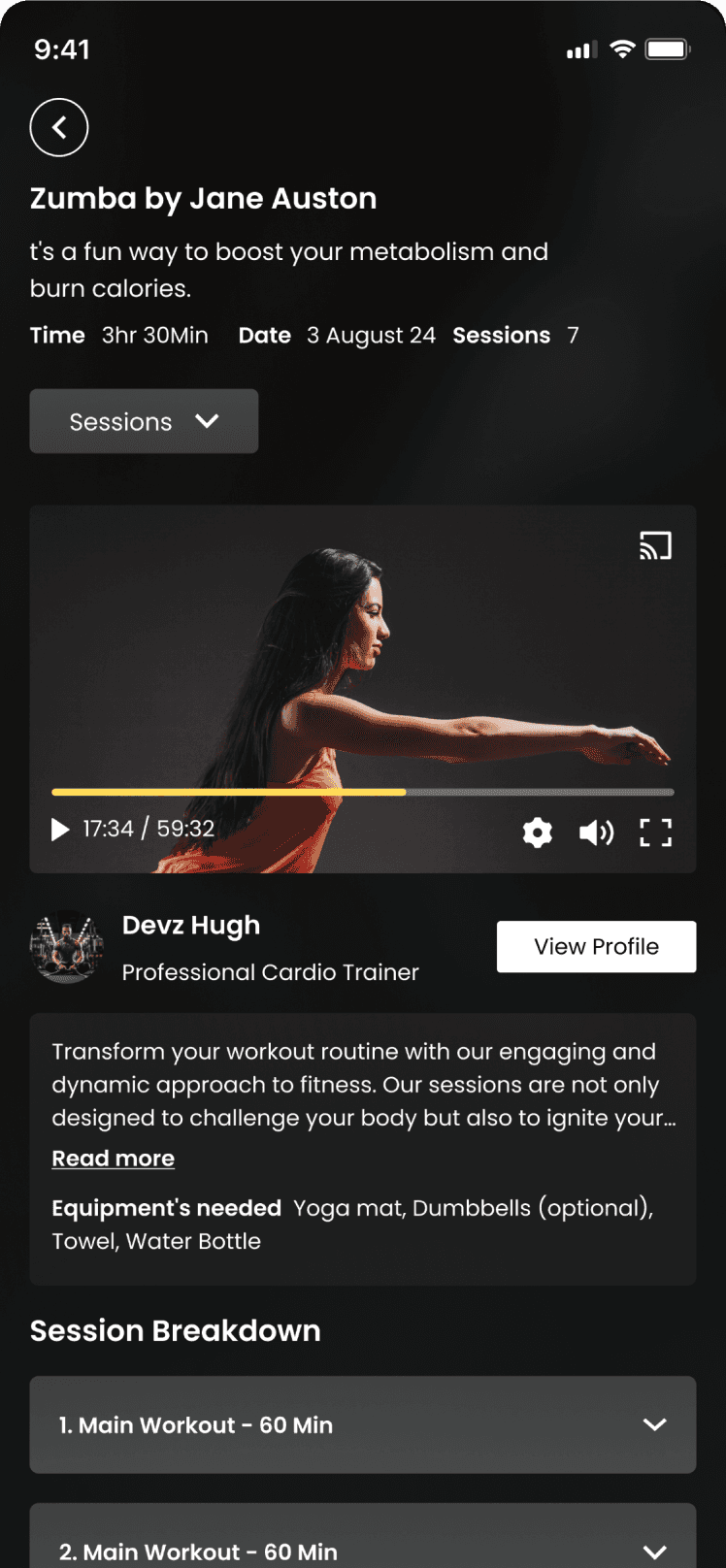
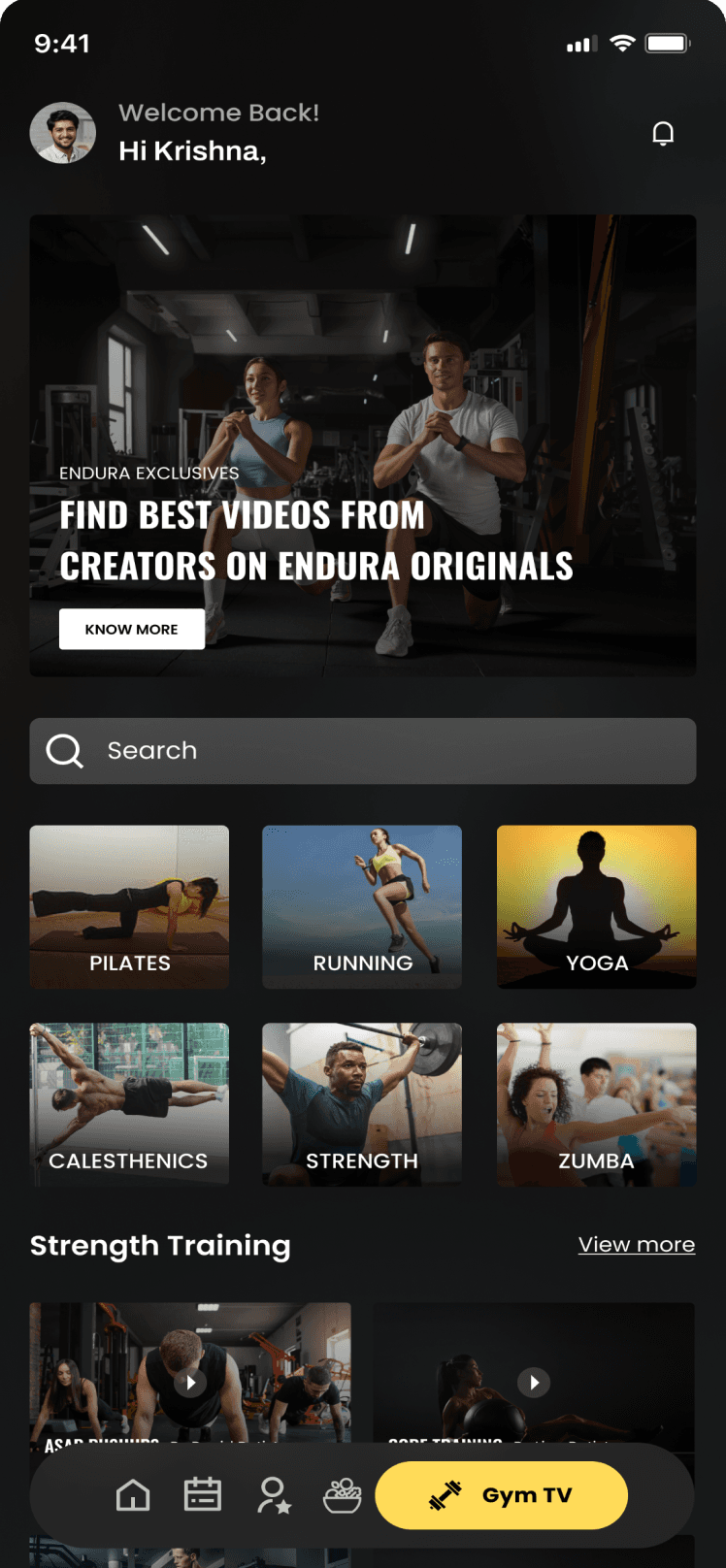

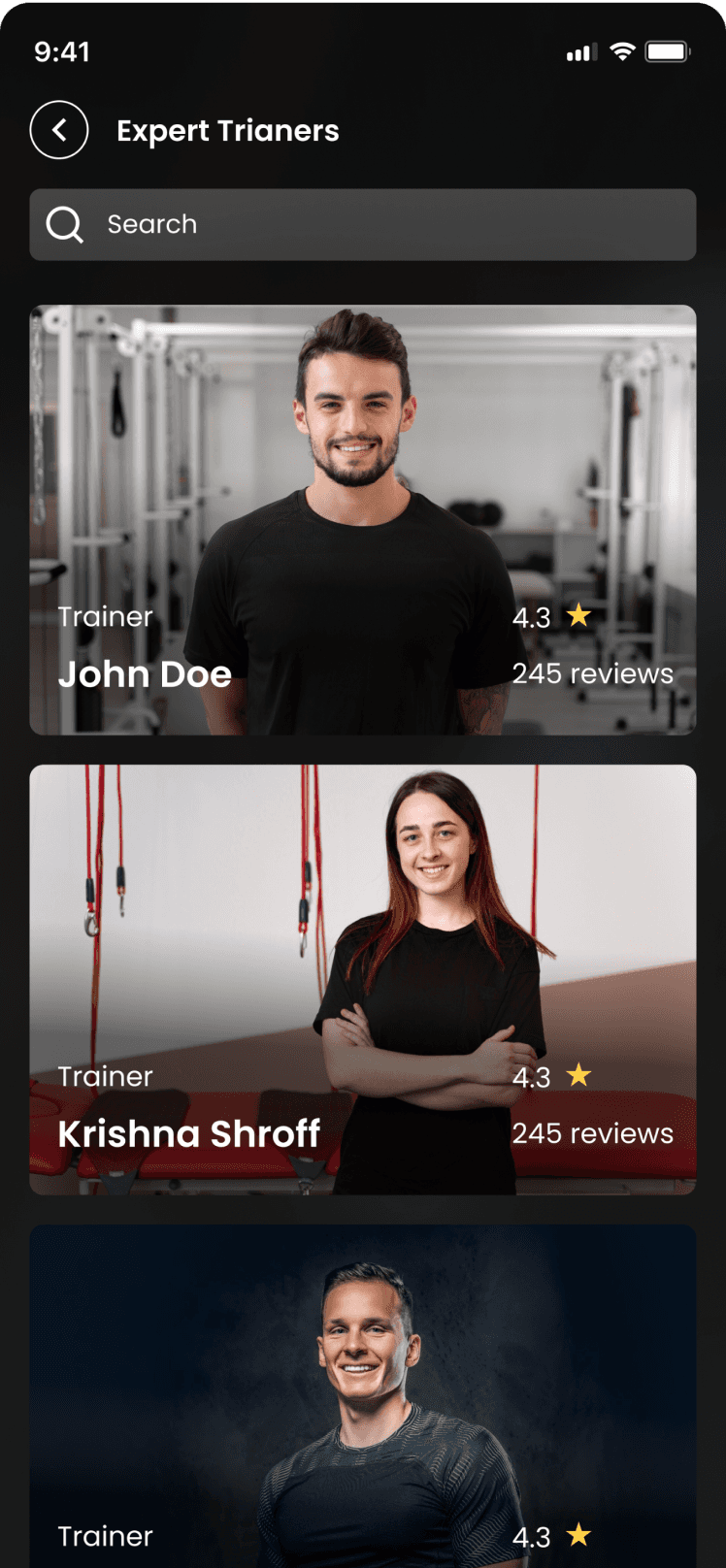
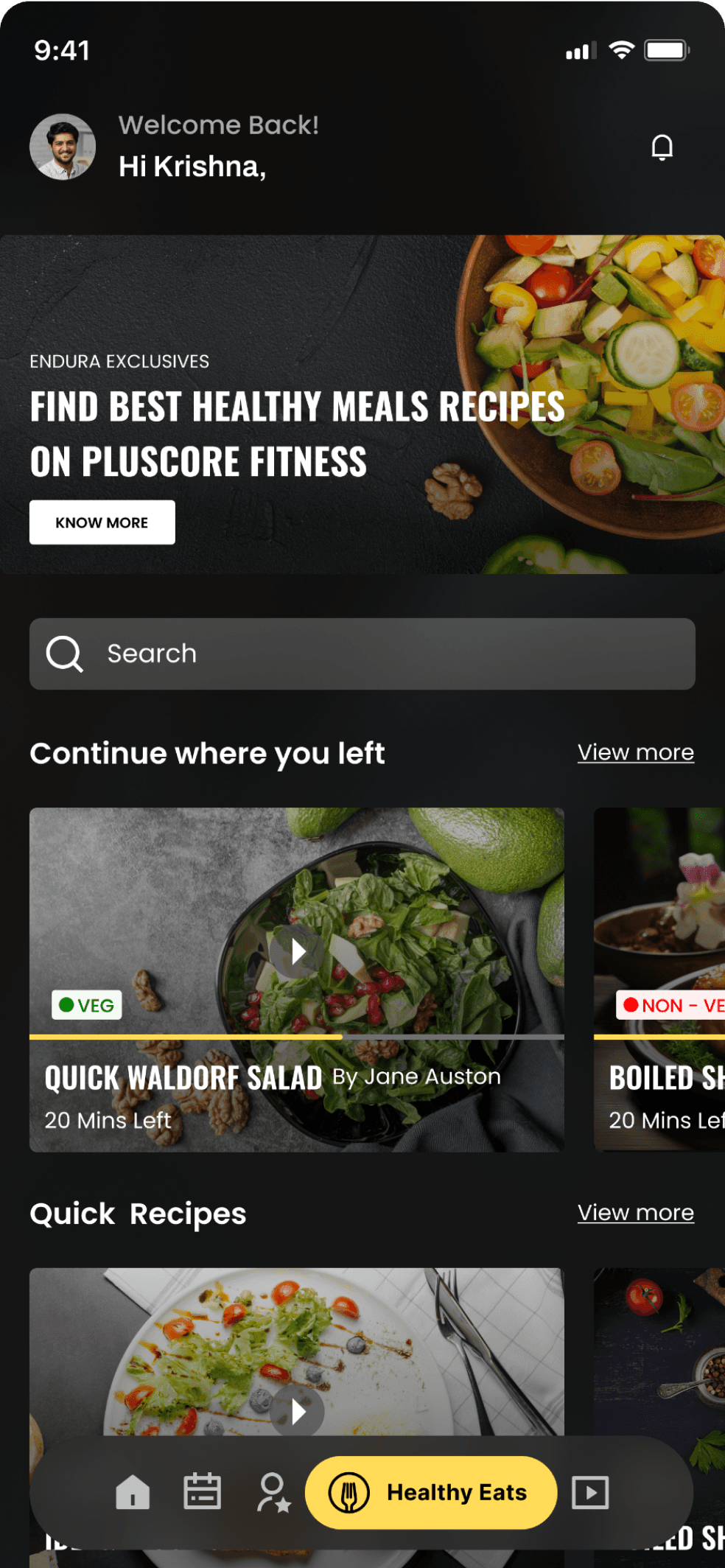
Seamless Navigation Between Content Types: Users spend 38% more time engaging with personalized content suggestions (Nielsen Norman Group, 2023). The “Continue where you left” section effectively taps into this behavior, keeping users engaged.
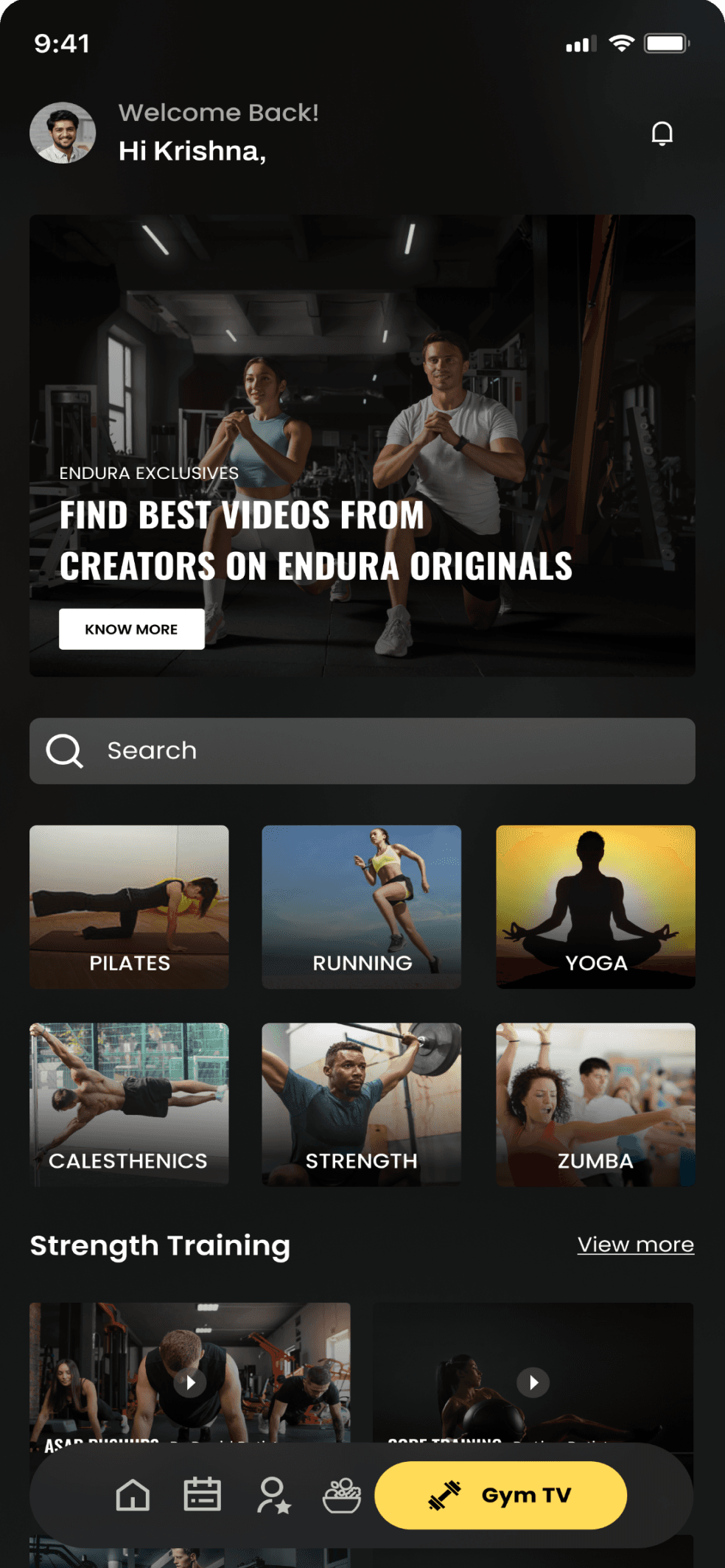
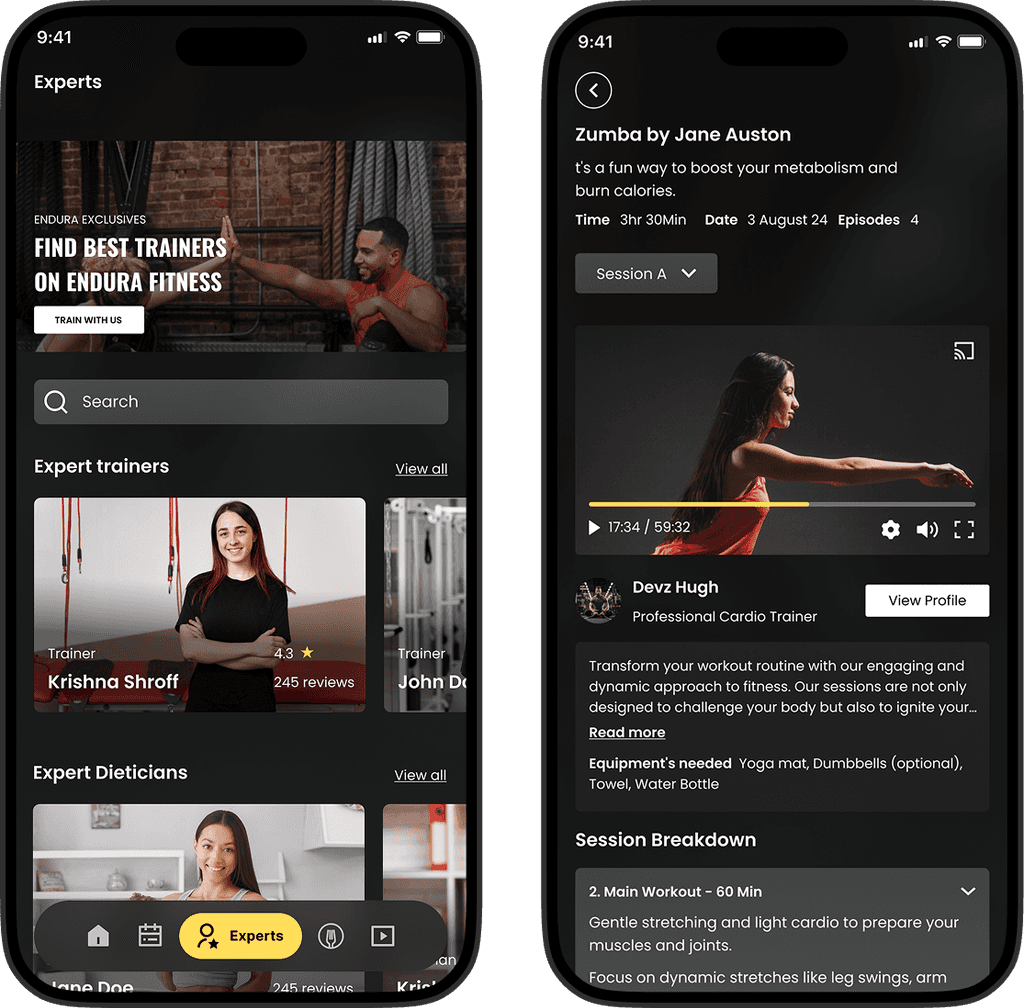
Consistent Visual Hierarchy: Studies show that users process images 60,000 times faster than text (MIT, 2022). Strong imagery enhances discoverability, increasing click-through rates (CTR) by up to 94% (HubSpot, 2023).
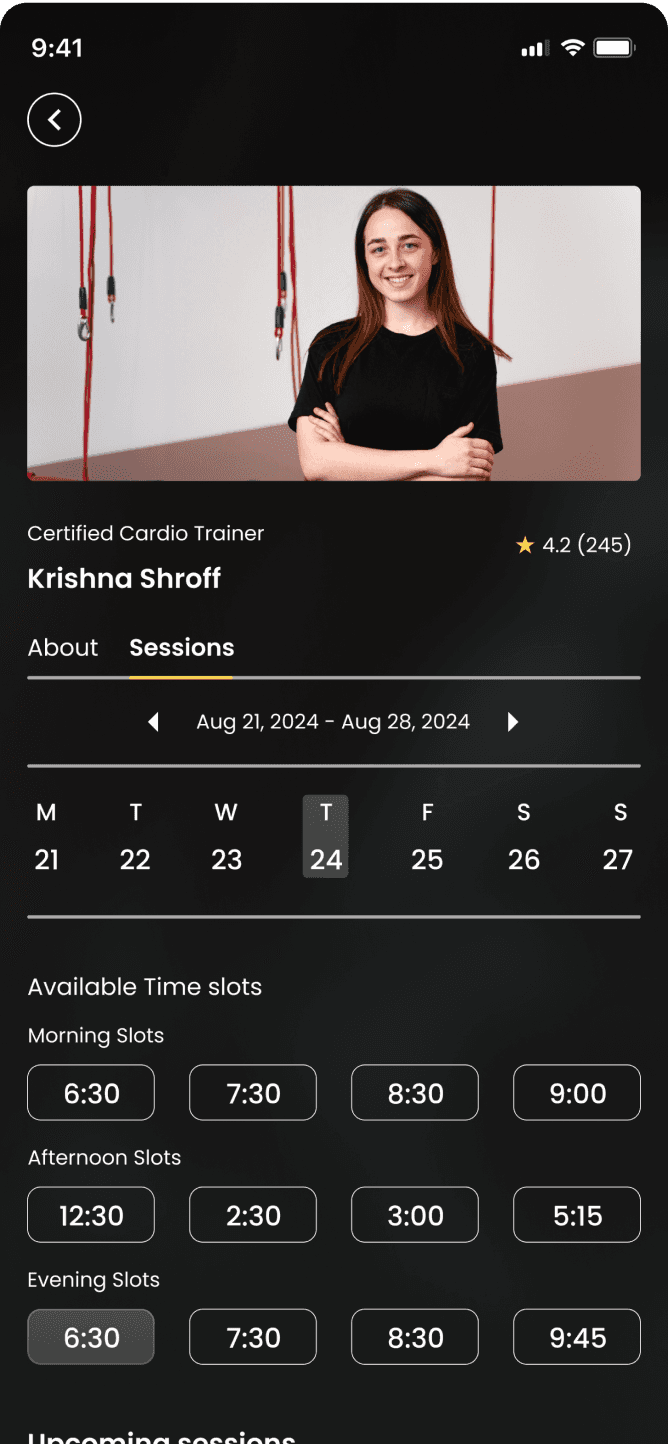
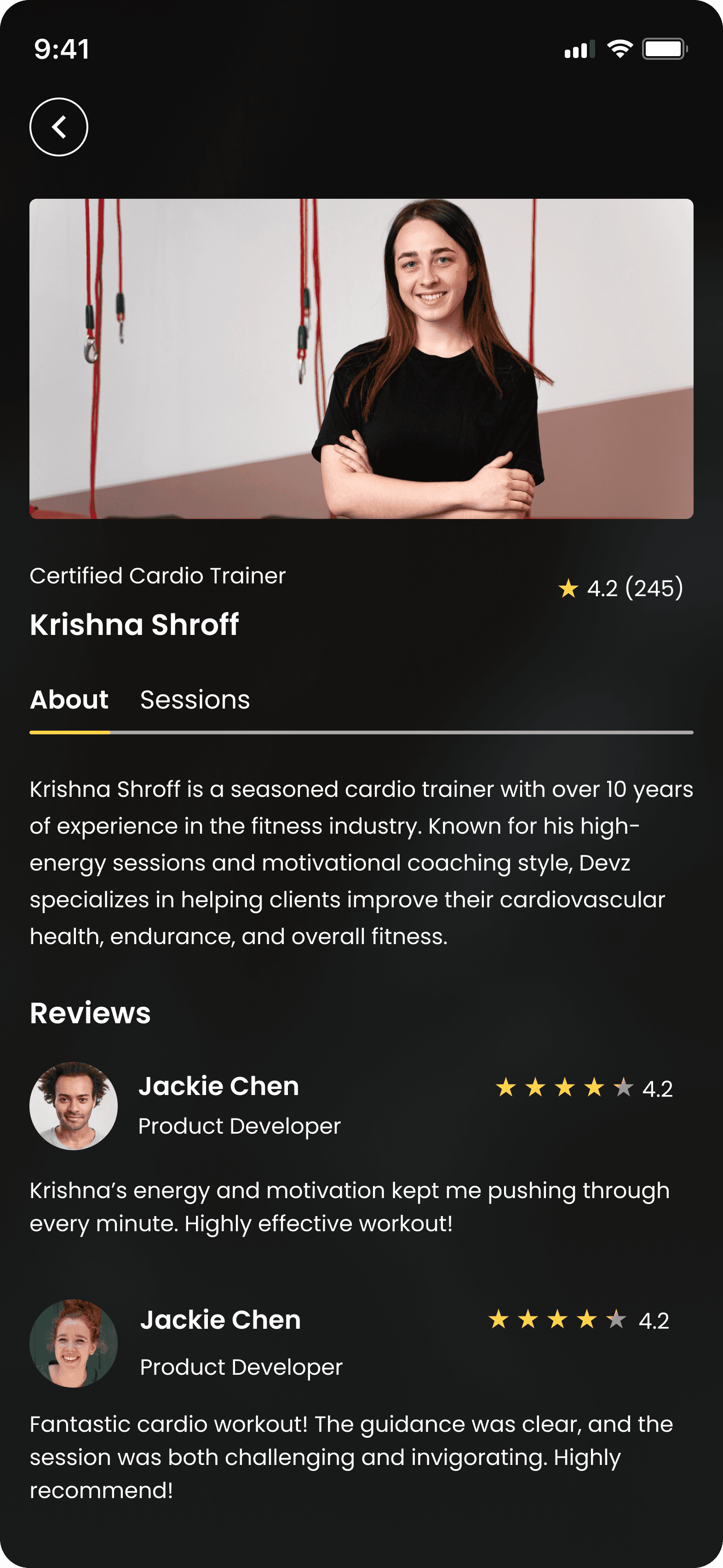
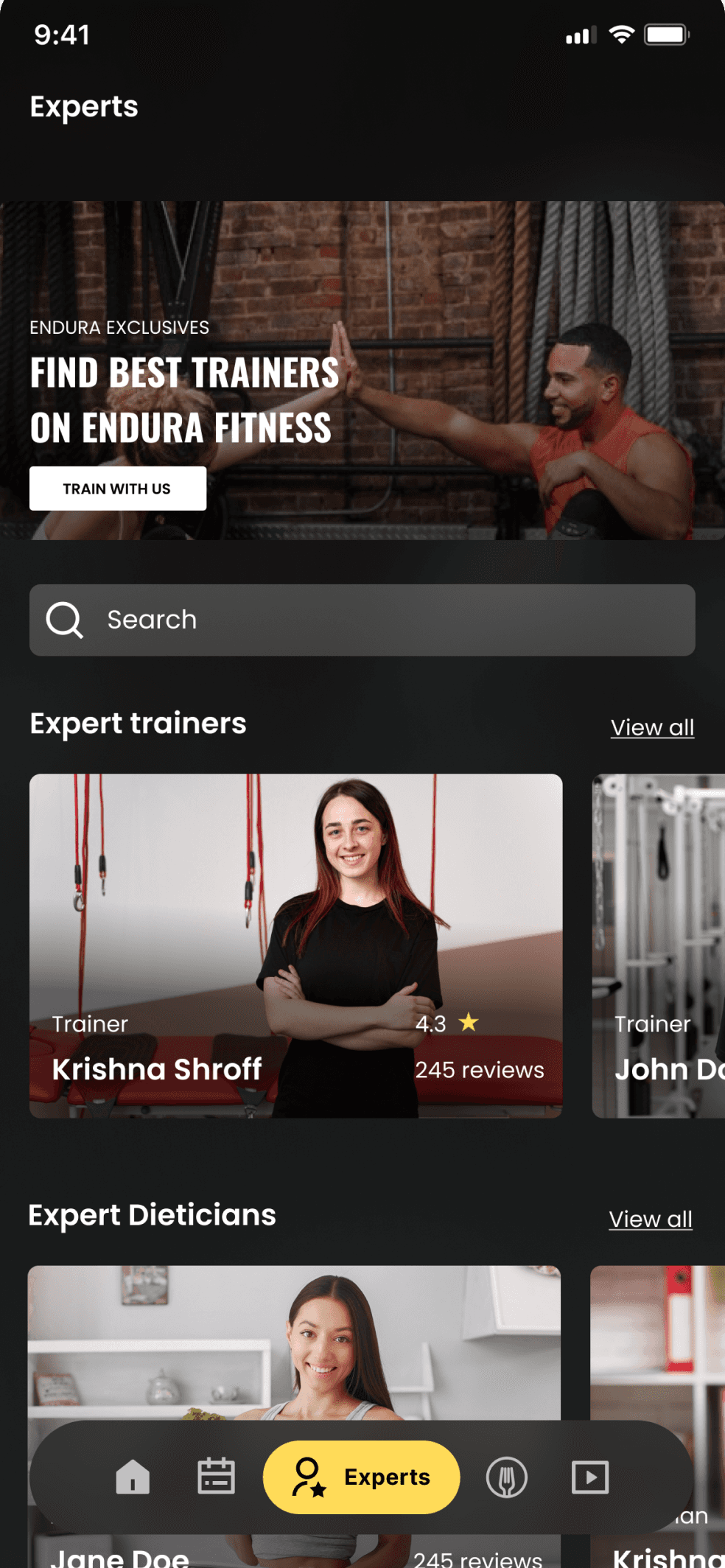
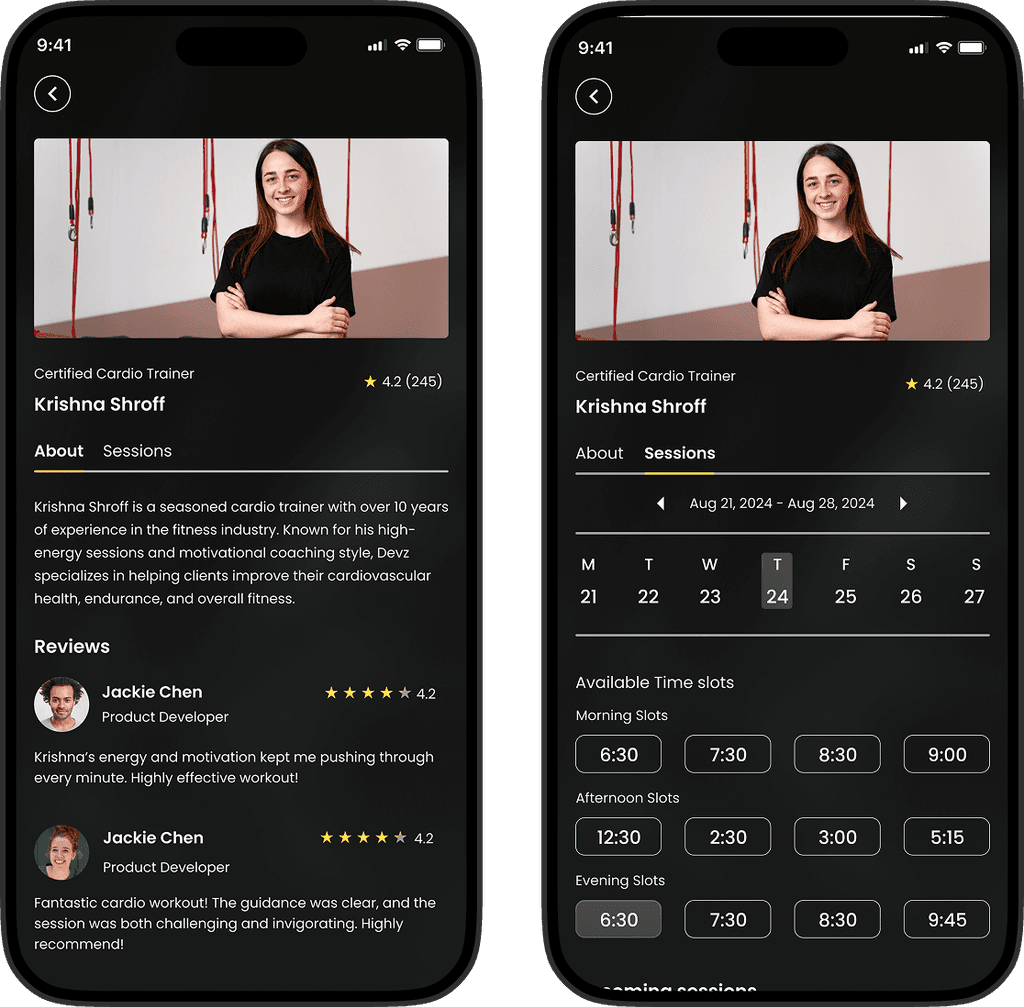
Improved Decision-Making with Ratings & Reviews: Products with 5+ reviews are 270% more likely to be purchased (Spiegel Research). A 4.3-star rating & 245 reviews reduce hesitation, increasing conversions by 40% (Bazaarvoice), reinforcing trust and engagement.
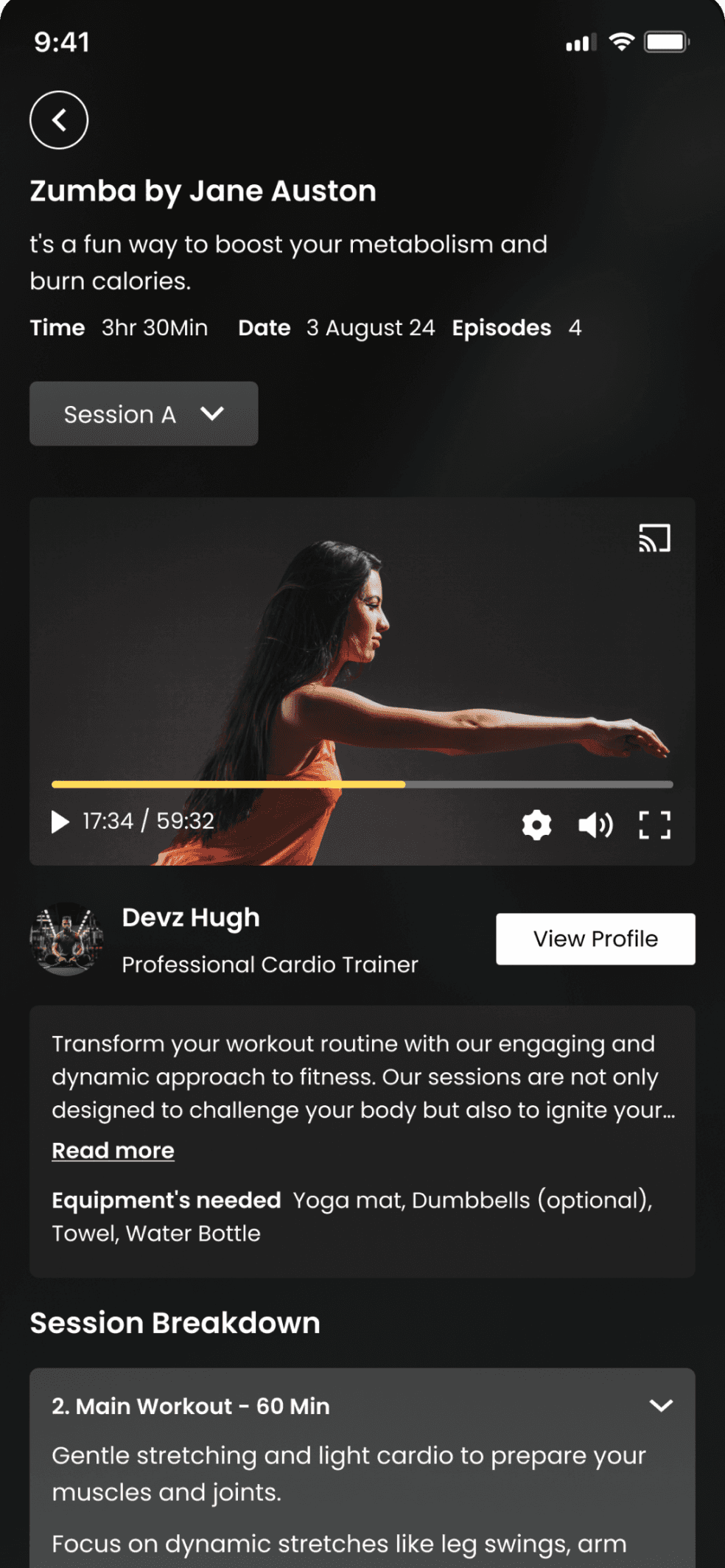
Higher Engagement & Retention with Structured Sessions: Progress indicators like "17:34 / 59:32" boost completion rates by 26% (Google UX Research), while clear session breakdowns (e.g., "Main Workout – 60 Min") help users prepare, reducing drop-off rates by 35% (Baymard Institute).
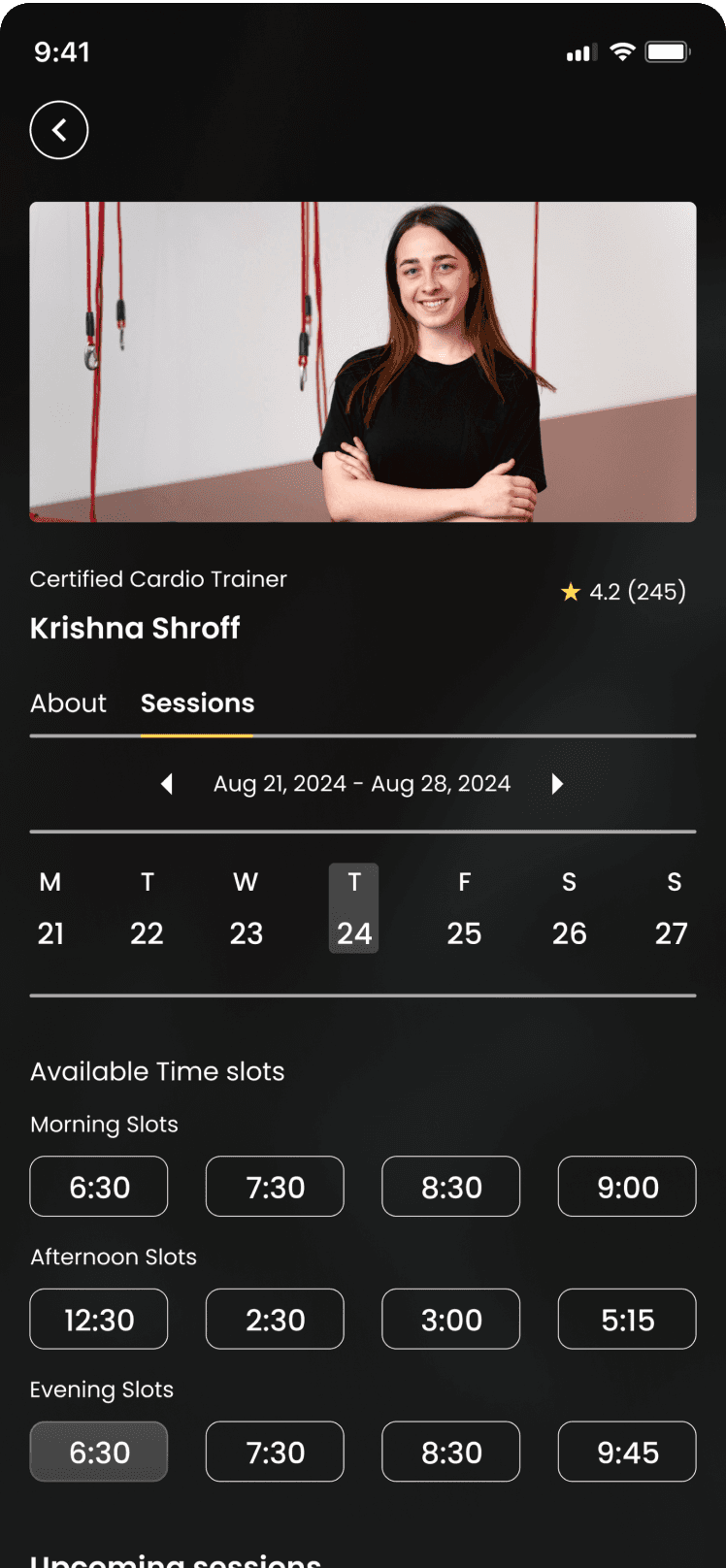
Clear Progression from Trainer Discovery to Booking: Reducing steps in the booking process can boost conversion rates by 30-40% (Baymard Institute, 2023). The structured flow improves decision-making efficiency.
Optimized Time Selection: Grid-based time slots reduce booking drop-offs, with 78% of users prefer quick, visual selection methods over text-based inputs (Google UX Research, 2023).
Made by Krishnadevz © 2024
Emotional Design Enhances Experience: Thoughtful color choices, imagery, and messaging create stronger user connections.
Consistent Navigation Reduces Friction: Predictable UI patterns and structured layouts improve task completion rates.
Emotional Design Enhances Experience: Thoughtful color choices, imagery, and messaging create stronger user connections.
Micro interactions Matter: Small details like progress indicators and feedback animations enhance engagement.
Learnings
Increased User Engagement: Optimized workflows and structured content led to better user retention.
Higher Conversion Rates: Social proof elements like ratings and reviews encouraged decision-making.
Improved Session Completion: Clear session breakdowns reduced drop-off rates.
Scalable UX Solutions: The design system and component reuse improved efficiency for future updates.
Outcomes
Feel free to explore my other projects to dive into my design process. You can contact me on my krishnakakade77@gmail.com
Thank you :)
Wireframing
Color System
Color System
MOBILE APP
PlusCore Fitness is a mobile platform designed to connect users with professional trainers for personalized fitness sessions. The app provides on-demand workouts, expert nutrition guidance, and a seamless booking experience. With 1,200+ users and 248 trainers & also this app available on both the Google Play Store and App Store.
PlusCore Fitness
....
....
....
1999
10/26
Truecaller API for Auto-Filling User Data
After wireframing + couple of iterations later i created high fidelity version of the wireframes
Minimized Cognitive Load: Reduces manual data entry by over 70%, ensuring a seamless and efficient sign-up process.
Trust-Building Through Familiarity: Incorporates a trusted API, boosting user confidence in system security and reliability.
I explored various design approaches to create a visually engaging and user-friendly interface, ensuring seamless navigation, clarity, and motivation for a better fitness experience.
Visual Branding & Identify
Contrast Ratio
9.95:1
Accessibility Check
Extra small text Style
small text Style
Normal text Style
Large text Style
Large Title 1
Normal Title 2
X-Large Title 1
X-Large Title 2
UI / UX Designer
My role
UX Research
Wireframes
High Fidelity Designs
Deliverables
1.5 months
Timeline
Product Thinking
Competitive Analysis
Visual Design
User Research
Skills
Figma
FigJam
Google Docs
Jira
Tools
Impact That Drives Results
Downloads in 30 Days
600+
Positive feedback
92%
Workout consistency
40%
User Engagement
30%
The Challenge
User Research
Key Findings
Research Findings
Users wanted a seamless trainer interaction: Designed an easy-to-use trainer booking and session management system with clear breakdowns.
Accessibility and inclusivity: Ensured a clean, user-friendly UI with considerations for different fitness levels and abilities.
Research Processes
I followed the User-Centered Design (UCD) framework to ensure that every decision was driven by user needs.
The Pluscore Fitness color system is designed to create an energetic, motivating, and accessible experience that aligns with the platform’s goal of making fitness engaging for users. Each color has been chosen with functionality, user experience, and accessibility in mind.
Competitive Analysis Insights
Typography
Note: Due to NDA restrictions, project details such as the original name and certain UI elements have been modified. The case study showcases my approach to UX design while maintaining confidentiality.
Measurable growth, increased engagement, and a better fitness experience for users and trainers.
When I received the project brief, the objective was clear design an intuitive fitness training app that would seamlessly connect trainers and users. The name, color theory was provided, and my role was to define and craft the user experience.
Rather than diving straight into visuals, I adopted a User-Centered Design (UCD) approach to ensure that the app genuinely catered to its audience.
The Beginning: A Vision for Fitness
To validate these insights, I gathered feedback from fitness enthusiasts and trainers, identifying pain points like inconsistent engagement, difficulty in finding the right trainer, and lack of motivation to continue workouts.
Before designing, I conducted research to understand user needs
Trainers wanted a smooth way to schedule, manage, and conduct training sessions.
Users sought structured workouts, easy navigation, and engaging features like recorded sessions.
Understanding the Users: Research & Insights
Users often struggle with fitness apps due to:
Lack of personalized workout plans
Difficulty finding qualified trainers
Poor user engagement and retention
Overcomplicated booking processes
User Interviews: Conducted discussions with 18 fitness enthusiasts and trainers from endura fitness.
Surveys: Collected responses from 100+ potential users
Competitor Analysis: Studied key fitness platforms to identify UX gaps
Understanding the Users
Users needed affordable fitness plans: Introduced budget-friendly subscription models, ensuring accessibility for a wider audience.
Finding relevant workouts and recipes was difficult: Introduced a personalized recommendation system for workouts and healthy recipes.
The Design Process: A
User-Centered Approach
From Onboarding to Action: The User Flow Breakdown
Learnings
Thank you :)
Feel free to explore my other projects to dive into my design process. You can contact me on my krishnakakade77@gmail.com
Made by Krishnadevz © 2024
User Research & Insights
Seamless Navigation Between Content Types: Users spend 38% more time engaging with personalized content suggestions (Nielsen Norman Group, 2023). The “Continue where you left” section effectively taps into this behavior, keeping users engaged.
Consistent Visual Hierarchy: Studies show that users process images 60,000 times faster than text (MIT, 2022). Strong imagery enhances discoverability, increasing click-through rates (CTR) by up to 94% (HubSpot, 2023).
Clear Progression from Trainer Discovery to Booking: Reducing steps in the booking process can boost conversion rates by
30-40% (Baymard Institute, 2023). The structured flow improves decision-making efficiency.
Optimized Time Selection: Grid-based time slots reduce booking drop-offs, with 78% of users prefer quick, visual selection methods over text-based inputs (Google UX Research, 2023).
Improved Decision-Making with Ratings & Reviews: Products with 5+ reviews are 270% more likely to be purchased (Spiegel Research). A 4.3-star rating & 245 reviews reduce hesitation, increasing conversions by 40% (Bazaarvoice), reinforcing trust and engagement.
Higher Engagement & Retention with Structured Sessions: Progress indicators like "17:34 / 59:32" boost completion rates by 26% (Google UX Research), while clear session breakdowns (e.g., "Main Workout – 60 Min") help users prepare, reducing drop-off rates by 35% (Baymard Institute).
Emotional Design Enhances Experience: Thoughtful color choices, imagery, and messaging create stronger user connections.
Consistent Navigation Reduces Friction: Predictable UI patterns and structured layouts improve task completion rates.
Emotional Design Enhances Experience: Thoughtful color choices, imagery, and messaging create stronger user connections.
Micro interactions Matter: Small details like progress indicators and feedback animations enhance engagement.
Increased User Engagement: Optimized workflows and structured content led to better user retention.
Higher Conversion Rates: Social proof elements like ratings and reviews encouraged decision-making.
Improved Session Completion: Clear session breakdowns reduced drop-off rates.
Scalable UX Solutions: The design system and component reuse improved efficiency for future updates.
Outcomes